Plan the Inca Trail to Machu Picchu with confidence
Check permit availability, compare routes and understand what to look for in a tour operator—with independent guidance informed by local knowledge in Cusco.
We help you research and compare. We are not a tour operator.
Availability data may be delayed. It does not guarantee a permit, tour departure or confirmed booking.
Inca Trail quick facts
The Inca Trail at a glance
The Inca Trail is a protected network of historic paths through the Peruvian Andes toward Machu Picchu. The four-day Classic route is the best known, but shorter and extended options are also available.
Camping on the Classic Trail; hotel-based options on some shorter routes
Permit required
Yes
Main challenges
High altitude, sustained climbs, stone steps and long descents
The route explained
What is the Inca Trail?
The Inca Trail is a protected hiking route through the Andes that connects archaeological sites, mountain passes and cloud forest on the way to Machu Picchu.
It is part of a broader historic road network and passes through landscapes and archaeological areas that cannot be experienced by arriving at Machu Picchu by train alone.
Most travelers use “the Inca Trail” for the Classic four-day route. Shorter itineraries join its final section, while extended versions cover the Classic route at a different pace.
Your chosen route determines the permit, number of hiking days, overnight style and physical demand.
Route selection
Compare Inca Trail routes
There is no single route for every traveler. Choose according to your time, fitness, interest in camping, preferred pace and permit availability.
4 days / 3 nights
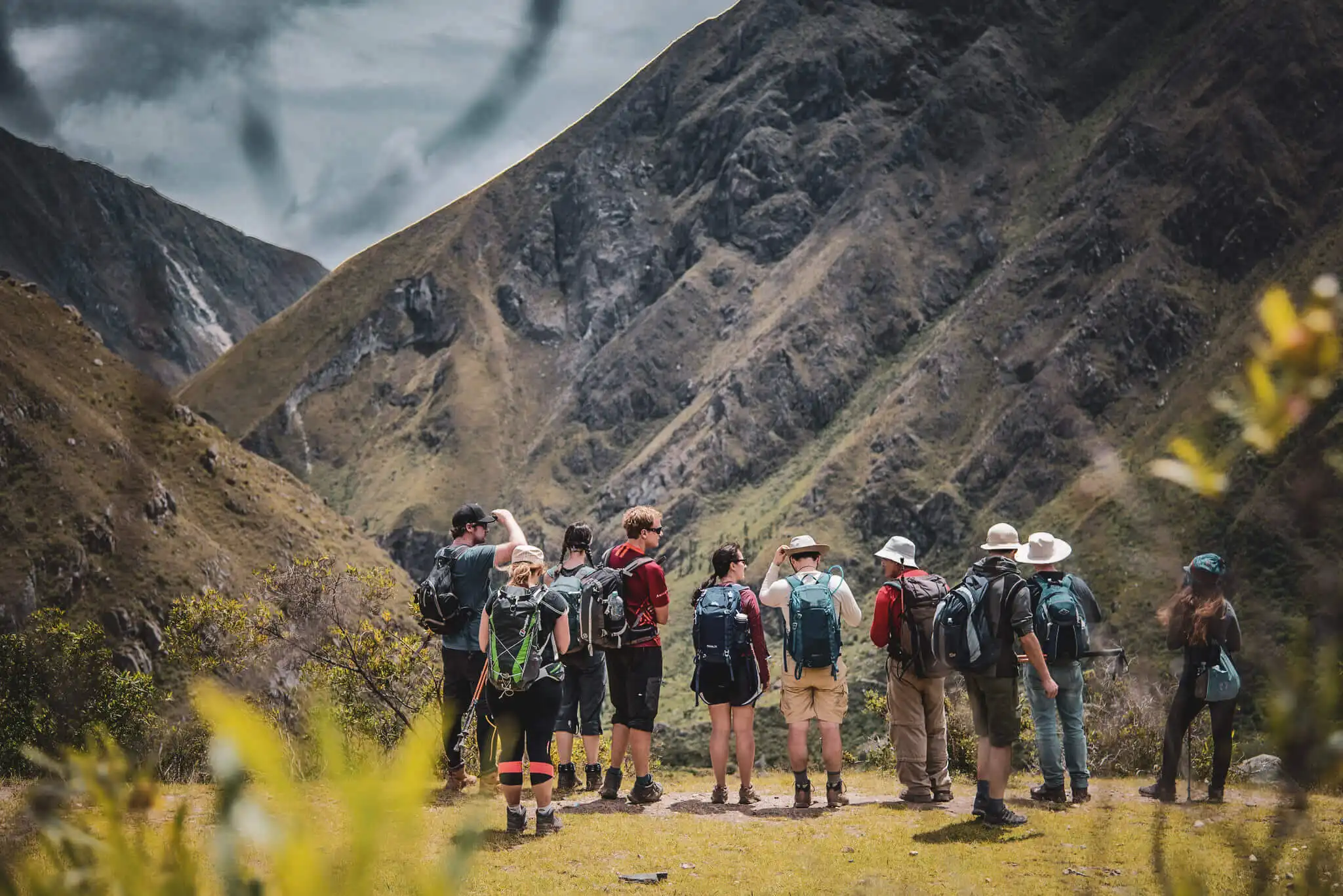
Classic Inca Trail
The complete multi-day route most travelers imagine when researching an Inca Trail hike to Machu Picchu.
Difficulty
Challenging
Overnight
3 camp nights
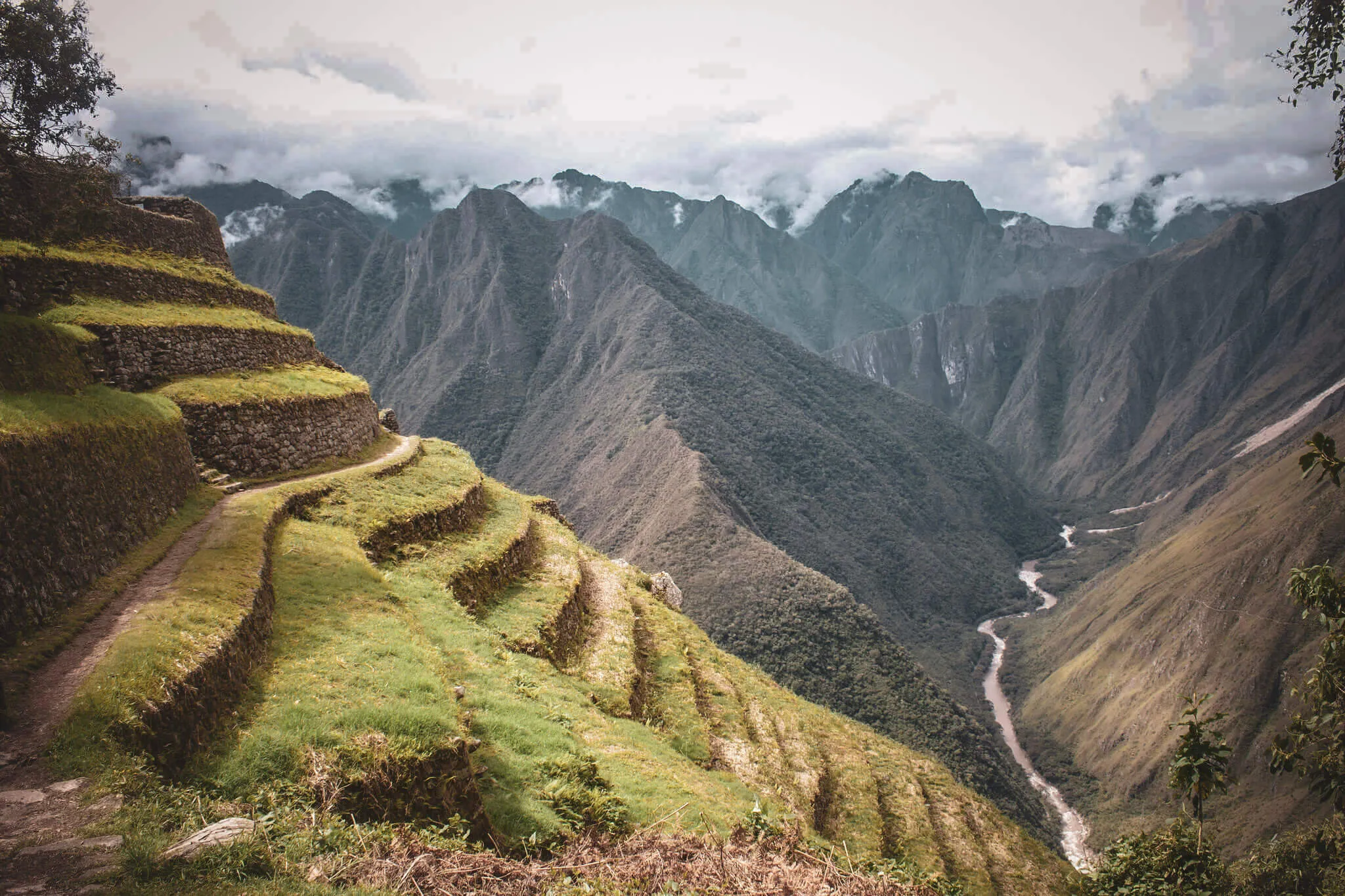
The itinerary crosses high mountain passes, follows original stone paths and reaches archaeological sites on foot. Travelers normally camp for three nights before approaching Machu Picchu.
Multi-day camping
High-altitude pass
Archaeological sites
Permit required
Best for: Travelers seeking the complete trail experience who are comfortable with several days of hiking and camping.
The final part of the protected route toward Machu Picchu without several days of camping.
Difficulty
Moderate–challenging
Overnight
1 hotel night
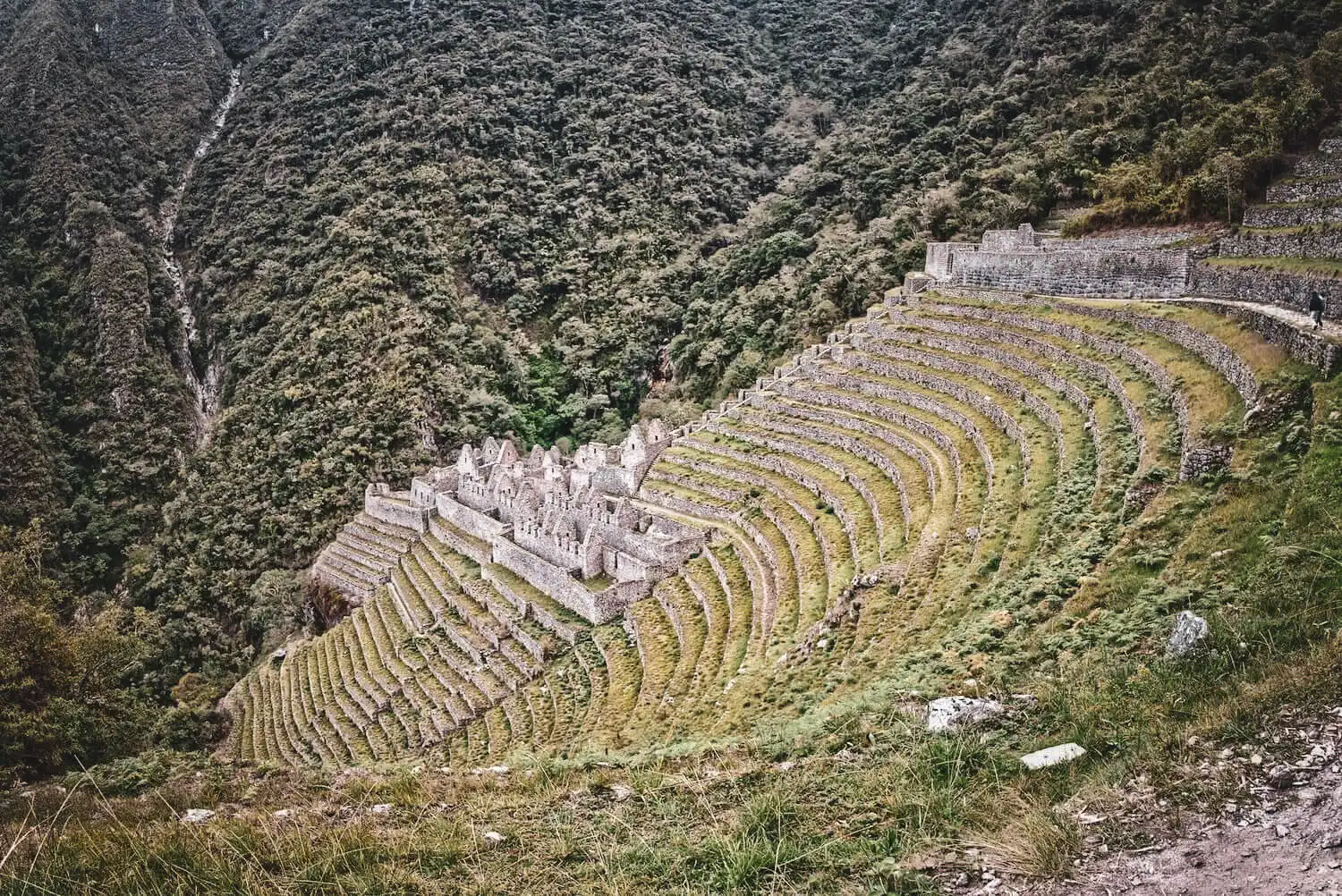
The itinerary usually has one main hiking day, visits Wiñay Wayna and uses a hotel rather than a trail campsite. It is shorter, but climbing, stone steps and humidity still demand preparation.
One main hiking day
Hotel accommodation
No multi-night camping
Permit required
Best for: Travelers with limited time or those who prefer a hotel over camping.
A concentrated version of the shorter route completed in one long and structured travel day.
Difficulty
Challenging day
Overnight
No overnight
Transport, trail controls, hiking time and the Machu Picchu visit share a limited schedule. Fewer days do not automatically make this the easiest option.
No camping
Early start
Tight schedule
Permit required
Best for: Prepared travelers with very limited time who are comfortable with a demanding day.
The Classic route distributed over more time, with the exact itinerary varying by provider.
Difficulty
Challenging
Overnight
4 camp nights
An additional day can allow a more measured pace, different camps or more time at archaeological sites. It does not remove altitude, climbing or camping.
Multi-day camping
Classic route
More trail time
Permit required
Best for: Travelers who want the Classic route in a less compressed itinerary.
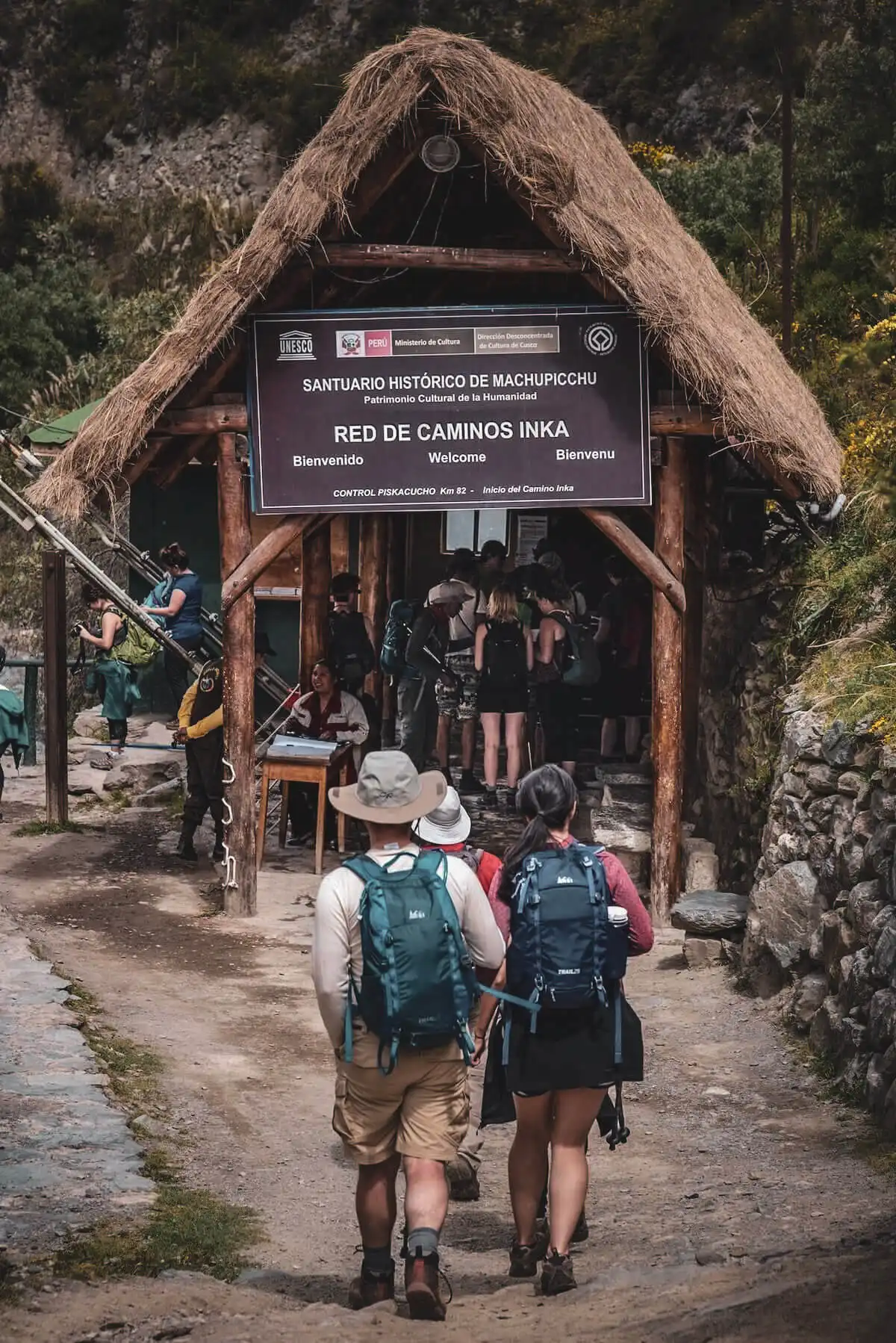
Access is regulated to protect the route, archaeological sites and environment. Permits are connected to a specific route and departure date, and booking is normally completed through an authorized travel provider.
Does availability guarantee a booking?
No. Visible availability is a starting point, not a confirmed reservation. A departure also depends on operator space, logistical capacity, traveler information, payment deadlines and provider policies.
What if a date is unavailable?
Search immediately before or after your preferred date
Consider the Short, One-Day or five-day route
Compare alternative treks to Machu Picchu
Adjust the order of your wider Peru itinerary
Official opening dates and procedures can change. Check current information instead of relying on an old booking timeline.
The Classic Inca Trail is a challenging high-altitude trek. Elevation, consecutive hiking days, long climbs, uneven stone surfaces and extended descents matter more than distance alone.
Altitude
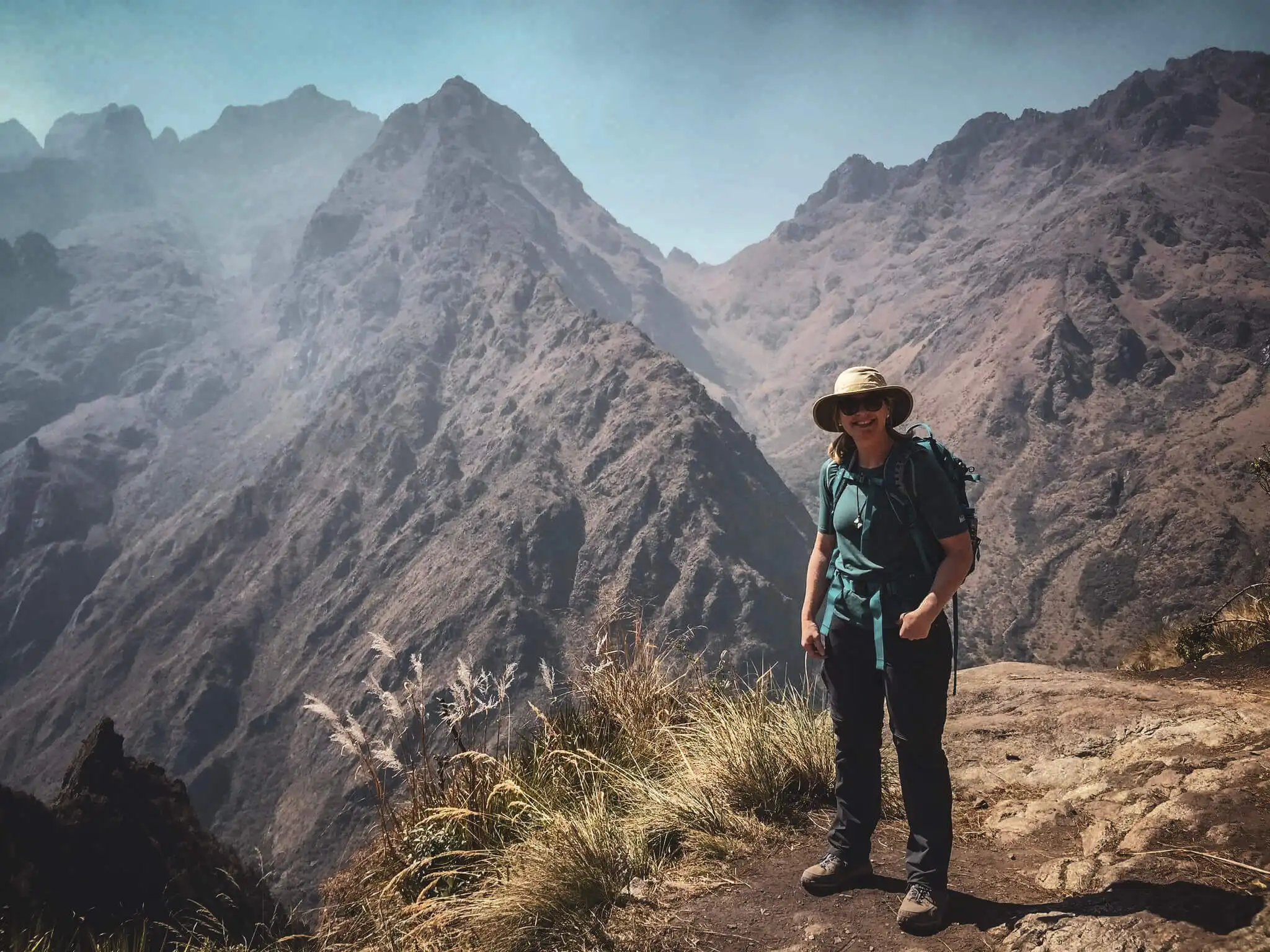
The Classic route reaches elevations above 13,000 feet. Acclimatization and individual response matter.
Climbing
Some days involve sustained ascent rather than short, isolated hills.
Stone steps
Historic stairs and uneven surfaces require balance and controlled movement.
Descents
Long downhill sections can place significant strain on knees and leg muscles.
Multiple days
Fatigue accumulates, so recovery before the following morning is part of the challenge.
Can a beginner hike the trail?
A prepared first-time trekker can potentially complete it with appropriate health, training, acclimatization and expectations. Travelers with health concerns should consult a qualified medical professional.
The best time depends on whether you value drier conditions, greener scenery, lower demand or greater availability. No month guarantees perfect Andean weather.
Drier months
Lower rainfall is popular, but demand is higher and departures can become less flexible.
Wetter months
Greener landscapes come with slippery stone, changing visibility and a greater need for rain preparation.
Check current permits, official notices, seasonal maintenance and the operator’s policy for route changes before booking.
Before paying: request written inclusions and exclusions, including permits, Machu Picchu entry, transport, staffing, food, equipment, porter service, accommodation, trains, taxes and extra expenses.
Preparation
Prepare for the complete experience
Fitness, acclimatization, equipment, season and operator policies are connected—not separate last-minute tasks.
A strong comparison shows measurable differences instead of reproducing ratings or favoring the highest-paying company.
We are not a tour operator. Some links may generate a disclosed referral commission, but commercial relationships do not determine editorial conclusions.
IncaTrailCompany.com is an independent information and availability platform operated by local people and guides in Cusco. We do not operate the tours listed or discussed here.
Our goal is to explain how Inca Trail travel works—from permits and access conditions to route differences and operator policies.
Live availability data
Results must identify the route and date, show when data was updated and retain a clear non-guarantee disclaimer.
Editorial independence
Affiliate revenue cannot buy a favorable conclusion. Sponsored placement must remain separate from editorial comparison.
Corrections and updates
Material changes are checked against an appropriate source before publication.
For travel businesses
Show live Inca Trail availability on your website
The availability experience is supported by the infrastructure behind MachuPicchuAPI.com. Travel businesses can use API access or embeddable widgets without maintaining the complete data infrastructure internally.
Availability API
Connect structured availability data to your booking or planning experience.
Embeddable widgets
Add a traveler-facing checker to an existing website with a lighter implementation.
Independent planning information from Cusco. We compare tour operators; we are not one.
Your privacy choice
Help us improve this independent guide
With your permission, we use Google Analytics to understand which planning pages are useful. Analytics is optional, advertising signals stay disabled, and rejecting it will not affect the website. Read our privacy policy.

 4 days / 3 nights