Review the trail
- Altitude and physical demand
- Stone ascent and descent
- Camping and basic facilities
- Weather and visibility
- Archaeology and landscapes
- Classic, Short or another route
Review the right thing
The Inca Trail and the company operating it are two separate reviews. Altitude, stone stairs and camping belong to the route; communication, equipment, food and problem handling belong to the service.
The central distinction
A useful review identifies which side created the praise or complaint. Without that separation, difficult terrain can be blamed on a company—or poor organization excused as adventure.
Read the conditions behind the opinion
Reviews become more valuable when the writer gives enough context to explain why their experience differed from someone else's.
Strong low-altitude fitness does not predict an easy response above 4,000 m. A useful review explains acclimatization and pace instead of calling the route simply easy or impossible.
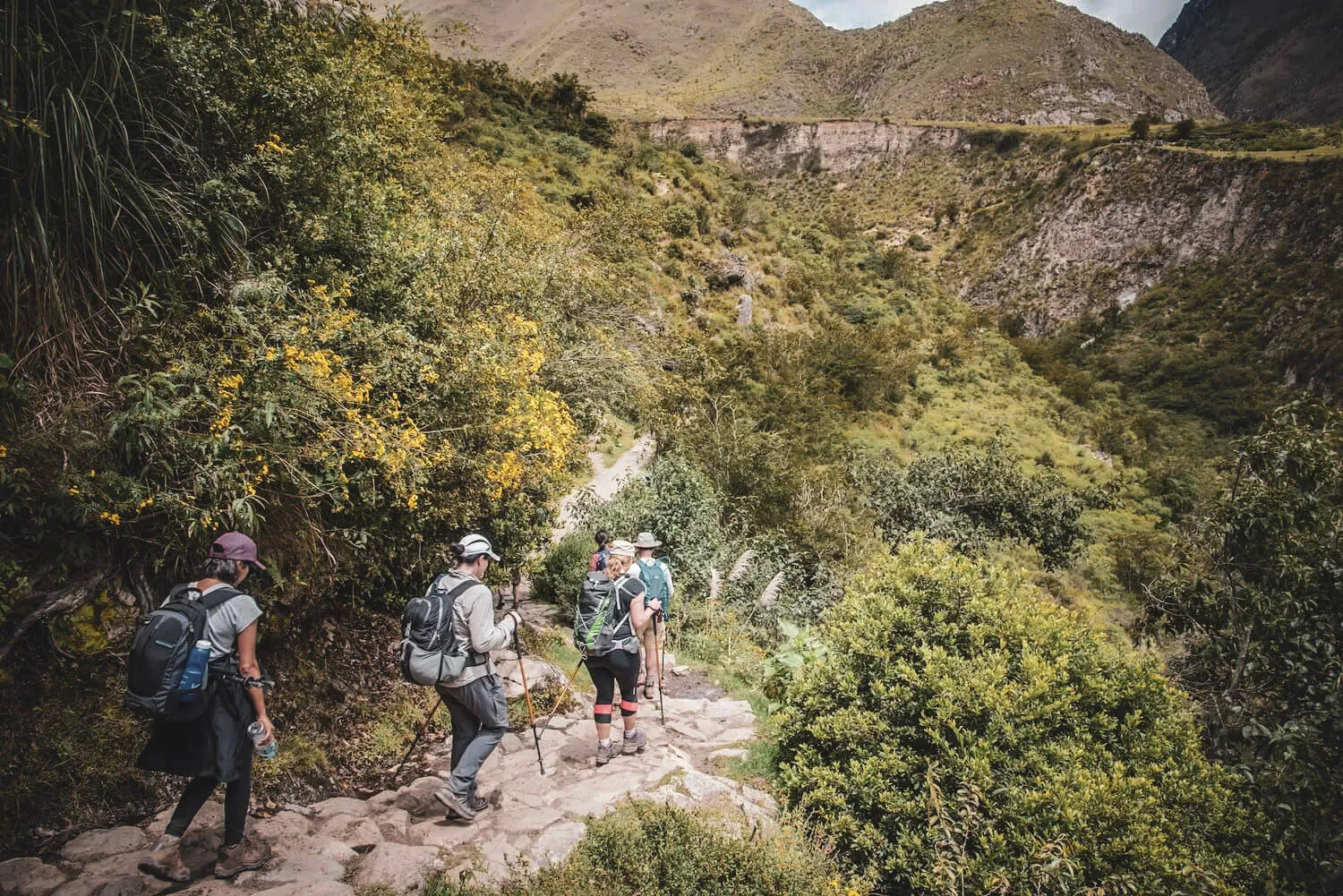
The famous high pass gets attention, but repeated irregular steps can be the harder issue for knees and tired legs. Look for detail about both ascent and descent.
Better tents, meals and organization improve comfort; they do not turn designated trail camps into hotels. Separate realistic discomfort from poor equipment or service.
Rain, cloud, sun and cold can produce very different accounts of identical months. Date and conditions are essential context for any weather complaint or promise.
Guides, cooks and porters affect pace, interpretation, meals, camp organization and problem handling. Specific crew details are more useful than a generic five-star sentence.
A company-wide rating may combine day tours, Salkantay, the Short Trail and the Classic route. Filter for the exact product you are considering.
Evidence ladder
Do not ask only whether a review is positive. Ask how much decision-quality evidence it contains.
| Signal | What you are reading | How to use it |
|---|---|---|
| Weak | A star total or one-line reaction | Useful only as a starting signal; it does not explain the itinerary, date or service. |
| Better | A recent, detailed account of the exact route | Look for group size, guide access, food, equipment, communication and what happened when plans changed. |
| Stronger | The same specific issue across independent recent reviews | Repeated detail deserves attention, while copied phrasing or a sudden review burst deserves caution. |
| Best available | Review evidence checked against written terms and primary facts | Confirm inclusions, legal operating identity, permits and policies directly before paying. |
Operator review checklist
The most useful comments describe what was promised, what happened and how the team responded—not only whether the traveler had fun.
Did the guide explain sites, manage different speeds and communicate decisions clearly? Named praise is useful, but guides can change by departure.
Were passport data, briefing, pickup, packing and permit limitations explained before payment and departure?
Does the review describe the actual departure, and does it match the maximum or average stated by the seller?
Look for concrete meals, portions and correct handling of declared needs—not only “the food was amazing.”
Tent condition, sleeping setup, water, toilets and baggage allowance should match the written product.
Traveler impressions are not a labor audit. Ask for loads, equipment, meals, insurance, wages and employment practices in writing.
The revealing detail is how the team handled illness, altitude, injury or a traveler who could not continue.
Compare comments about rentals, porter allowance, train upgrades, buses, card fees and optional tickets with the quote.
Before believing a rating
Use the same test for praise and criticism. Extreme positivity is not automatically more reliable than an extreme complaint.
Is the writer reviewing the Classic, Short, private or another trek?
How recent was the departure—and in which month?
Is the comment about the trail itself or the operator's performance?
Does it include verifiable detail rather than only emotion?
Does the same issue appear independently more than once?
Was an incentive, discount or hosted trip disclosed?
How did the company respond to a specific complaint?
Reasons to investigate
A perfect score is treated as proof without reading the underlying reviews.
Reviews for unrelated tours are used to judge the Inca Trail product.
Marketing quotes have no platform, date or original context.
Many accounts repeat identical wording or appear in a concentrated burst.
The seller promises that weather, altitude or permit availability cannot affect the trip.
A complaint about service is dismissed as an unavoidable feature of trekking.
A company will not identify the legal operator responsible for the departure.
Inventory before the shortlist
A highly reviewed operator cannot create a permit for a sold-out departure. Establish whether the Classic or Short Trail is possible first, then compare companies that can confirm the same route and date.
Read the permit guidePlease wait while we check the selected date.
Dates in the same month currently showing permits
Availability data may be delayed. It does not guarantee a permit, tour departure or confirmed booking.
Quick answers
These answers help interpret reviews; they are not an aggregated customer score.
Reviews are useful when they are recent, specific to the exact itinerary and detailed enough to separate trail conditions from operator performance. Treat one extreme account or a headline score as a lead, not a conclusion.
A negative account may describe unavoidable altitude, stairs, rain or basic camps—or a preventable failure involving communication, equipment, food or support. Identify which category the complaint belongs to before judging the operator.
Use the same criteria for every company: operating identity, exact itinerary, group size, guide access, porter policy, inclusions, equipment, emergency plan, cancellation terms and final price. Then use recent route-specific reviews to test those claims.
It can be exceptional when the historic road, archaeological sites and multi-day journey matter to you. If your main goal is only Machu Picchu, the train or Short Trail may use your time, comfort and budget better.
Many hikers focus on the climb to Dead Woman's Pass, but altitude, long stone descents, cumulative fatigue and camp recovery can be equally important. The answer depends on preparation and individual response.
No. Large totals can include other products and older operating conditions. Relevance, recency, specificity and consistency are more useful than volume alone.
Yes. First establish which dates and route are possible, then compare companies able to confirm that exact departure. An operator cannot create inventory for a sold-out date.
No. We provide planning information, comparisons and live availability. We may receive disclosed referral commissions or sell tools to travel businesses, but payment cannot purchase a favorable review or ranking.
This version is a critical-reading guide based on route realities, our Cusco tourism experience and the operator criteria already documented on this site. It does not publish a scraped rating, claim a statistically representative traveler consensus or reproduce unattributed testimonials.
A future review-pattern synthesis must record the platform, route, sampling period, sample size, recency and commercial relationship. Until that auditable dataset exists, we prefer to state the limitation rather than manufacture social proof.
Inca Trail Company is not a tour operator. We may earn disclosed referral commissions and sell tools to travel businesses; neither can purchase a favorable conclusion.
Reviewed August 10, 2026 · Corrections: contact our editorial team
Make the two decisions in order
First decide whether the Classic, Short or another route fits you. Then compare service, evidence and written terms for the actual departure.