
Weather first
Travel from May through September for lower rainfall, firmer sections and the best probability of open mountain views. Expect colder nights and stronger permit demand.
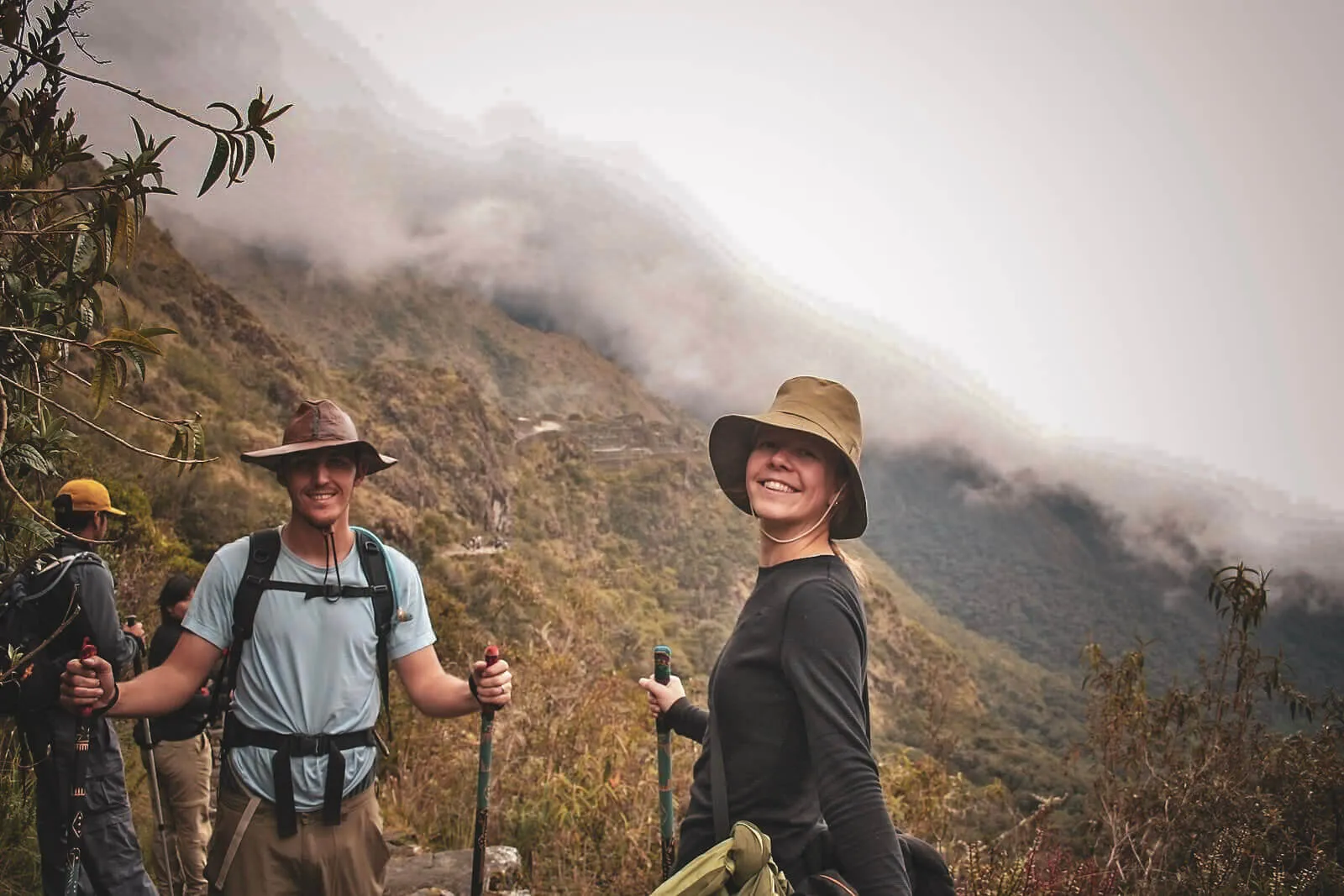
Weather, crowds and permits
For most travelers, May through September offers the most reliable hiking weather. May and September provide the strongest overall balance—but the right month depends on what you value most.
The short answer
Choose May to September for the best chance of dry conditions and clear views. Choose April or October for a compromise between weather and visitor demand. Choose the rainy season only if green scenery and a quieter trail matter more than predictability.
Check your exact dateAt a glance
Seasonal patterns improve your odds; they never guarantee sunshine, visibility or available permits.
There is no perfect month
Travel from May through September for lower rainfall, firmer sections and the best probability of open mountain views. Expect colder nights and stronger permit demand.
Consider April, May, September or October. Transitional conditions are less predictable, but the trail can feel less intense than during peak holiday periods.
Consider November, January or March if you accept rain, cloud, wet stone and damp camping. February is unavailable because the trail network closes.
Season comparison
The route crosses exposed passes, valleys and cloud forest. Conditions can change within a day even when the broader seasonal pattern is favorable.
Weather on the route
Strong sun, cold wind, cloud, mist and rain can all occur during the same hiking day.
Direct high-altitude sun can make an exposed climb feel hot, while a cloudy pass may feel cold hours later. SERNANP reports a broad official temperature context for the route; local elevation and weather systems matter more than a single average.
The driest period includes some of the coldest nights. High camps can approach freezing before sunrise during June, July and August. Dry does not mean warm.
Rain changes traction on stone, campsite comfort and drying time. Mist can hide a view and clear quickly. Carry reliable rain protection in every month, including the dry season.
January to December
Use the summaries for comparison, open a detailed guide where published, then verify current permits for the actual date.
Wet · lush · humid
Trail network closed
Wet · green · variable
Rain easing · green
Drier · clear · still green
Dry · clear · cold nights
Dry · sunny · very cold nights
Dry · stable · cold mornings
Mostly dry · warmer
Warmer · showers increasing
Greener · wetter
Wet · lush · variable
These descriptions summarize long-term seasonal patterns, not a weather forecast for a particular departure.
Crowds and permits
Groups can converge at checkpoints, campsites, narrow stairways, archaeological complexes and Inti Punku. Cusco and Machu Picchu may also feel busier than the walking sections between stops.
Dry-season weather overlaps with international holidays, Cusco’s June celebrations and Peru’s late-July holiday period. For fixed peak-season dates, begin researching six to eight months ahead whenever possible.
That window is guidance, not a promise. The 2026 official sales process began on November 17, 2025; annual release timing can change. Check inventory before buying non-refundable travel.
See live permit availabilityThe annual exception
The Red de Caminos Inka closes during February for conservation and maintenance. In 2026, official teams worked on archaeological structures, drainage, camps and visitor infrastructure before operations resumed on March 1.
This closure concerns the Inca Trail network; it does not automatically mean Machu Picchu itself is closed. Confirm current citadel access and consider a train-based visit or another available route.
Read the February guideIf your date is unavailable
Change one variable at a time, and confirm every linked ticket before modifying non-refundable arrangements.
Inventory can differ sharply between neighboring days. Moving the wider Peru itinerary may preserve the Classic route.
It includes part of the historic trail and the Inti Punku approach, but has its own permits and is not a guaranteed last-minute substitute.
Salkantay, Lares and Choquequirao differ in altitude, duration, scenery, difficulty and their connection to Machu Picchu. Availability alone should not decide.
Quick answers
Use these answers for planning, then check live conditions and permits for the actual date.
May and September are two of the best all-around choices. They normally combine relatively dry conditions and good visibility with demand that may be less intense than the middle of the peak season. Neither month guarantees clear skies or available permits.
May through September is generally the best period for reliable hiking conditions. Rainfall is lower and the trail is usually firmer, but permits are more competitive and high-elevation nights can be colder.
November through March is generally quieter, excluding February when the trail network closes. April and October can provide a better compromise between visitor demand and weather.
May often retains greener post-rainy-season scenery as conditions become drier. September is usually warmer than mid-dry-season and demand begins to ease. The better choice depends on your dates and live permit inventory.
Normally yes, except during the February closure. Expect more rain, slippery stone, mud, cloud and changing visibility, and carry proper waterproof layers and pack protection.
The Red de Caminos Inka closes for annual conservation and maintenance. In 2026, official work included route, drainage, campsite and visitor-infrastructure interventions before reopening on March 1.
For fixed dates from May through September, starting six to eight months ahead is prudent. This is planning guidance, not a rule or guarantee; current inventory is the only reliable answer for a particular date.
No. Demand varies by exact date, season, holidays, route and annual release process. Peak dry-season dates normally face the greatest pressure, but quieter dates can also become unavailable.
No. Sunny dry-season days can feel warm, while June, July and August can bring some of the coldest nights at high camps. Pack for sun, wind, cold and rain in every month.
Check neighboring dates first, then compare the Short Inca Trail and alternatives such as Salkantay or Lares. Confirm both trail and Machu Picchu arrangements before changing flights or hotels.
This guide combines official sanctuary season information, current government notices, permit-release records and the local editorial team’s tourism experience in Cusco. Seasonal statements describe patterns, not daily forecasts.
Tourism businesses and publishers may cite our month comparison when linking to this page and preserving the review-date context.
Season selected?
Weather patterns can help you choose a month. Only current inventory can tell you whether the required permits remain.