Early December
Potentially simpler logisticsEarly dates can avoid some late-month travel pressure, but they remain fully inside the rainy season. Choose them for itinerary fit—not a promise of dryness or solitude.
Wet season · holiday logistics
December is not a cheaper version of dry season. It is a different trek: greener, cloudier and more dependent on waterproof systems, careful footing and current official information.
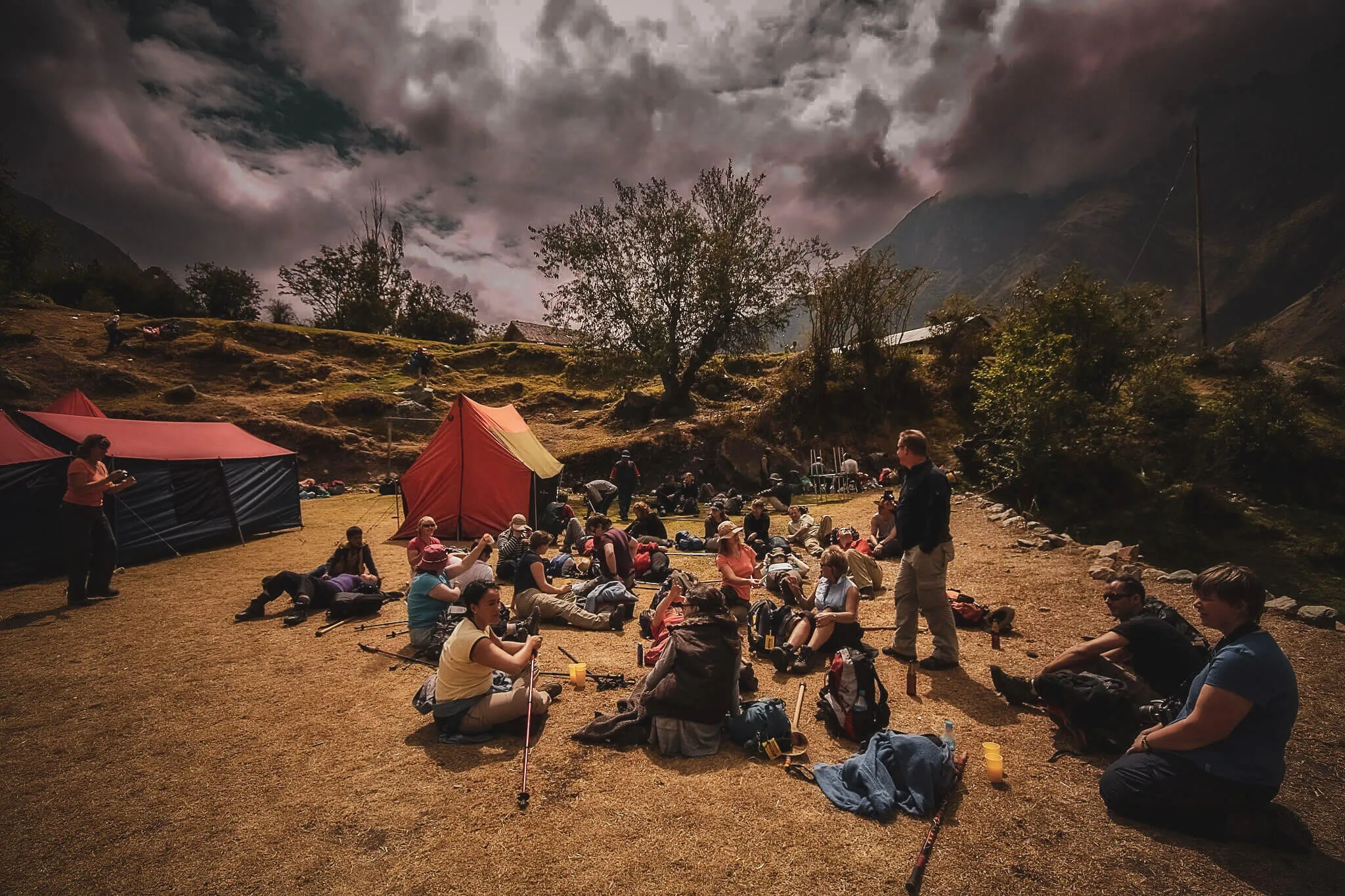
Green and atmospheric
wet and conditional
The short answer
SERNANP identifies November through March as the rainy season. December remains normally operational outside the documented February maintenance period, but access, weather and holiday logistics must all be checked for the actual departure.
December at a glance
Seasonal context shapes equipment. Current conditions, official notices and date-specific inventory govern the trip.
December is not one demand period
Separate seasonal rain from holiday travel. Neither tells you whether the exact trail departure is open.
Early dates can avoid some late-month travel pressure, but they remain fully inside the rainy season. Choose them for itinerary fit—not a promise of dryness or solitude.
Peru's December 8 and 9 national holidays are a logistics signal. They do not automatically close the trail; operating hours and transport should be checked for the applicable year.
Christmas and New Year can concentrate travel around specific dates. Check permits, operator staffing, trains, hotels and Machu Picchu arrangements as separate inventory.
Budget your weather exposure
Reducing exposure can be rational in December, but it also changes the journey. Compare the experience before treating the shorter option as a simple fallback.
More opportunities for clear periods—and more time managing wet clothing, tents, footwear and recovery.
Removes multi-night camping but keeps sustained ascent, stone steps, cloud-forest weather and a regulated departure.
Trail access, site admission, train or bus movements and accommodation must be confirmed independently.
Four weather states
A clear interval can follow rain while the descent remains wet. Manage the surface in front of you, not the icon on the forecast.
Sun can appear between weather systems. Keep protection accessible rather than unpacking the wet-weather system.
A ridge or archaeological site can disappear and return quickly. Do not define the trek by one scheduled photograph.
Add waterproof layers before saturation, increase spacing and let safe footing determine speed.
Stone, roots and earth may remain wet after the sky clears. Sunshine does not instantly restore dry-season traction.
Probability is not permanence
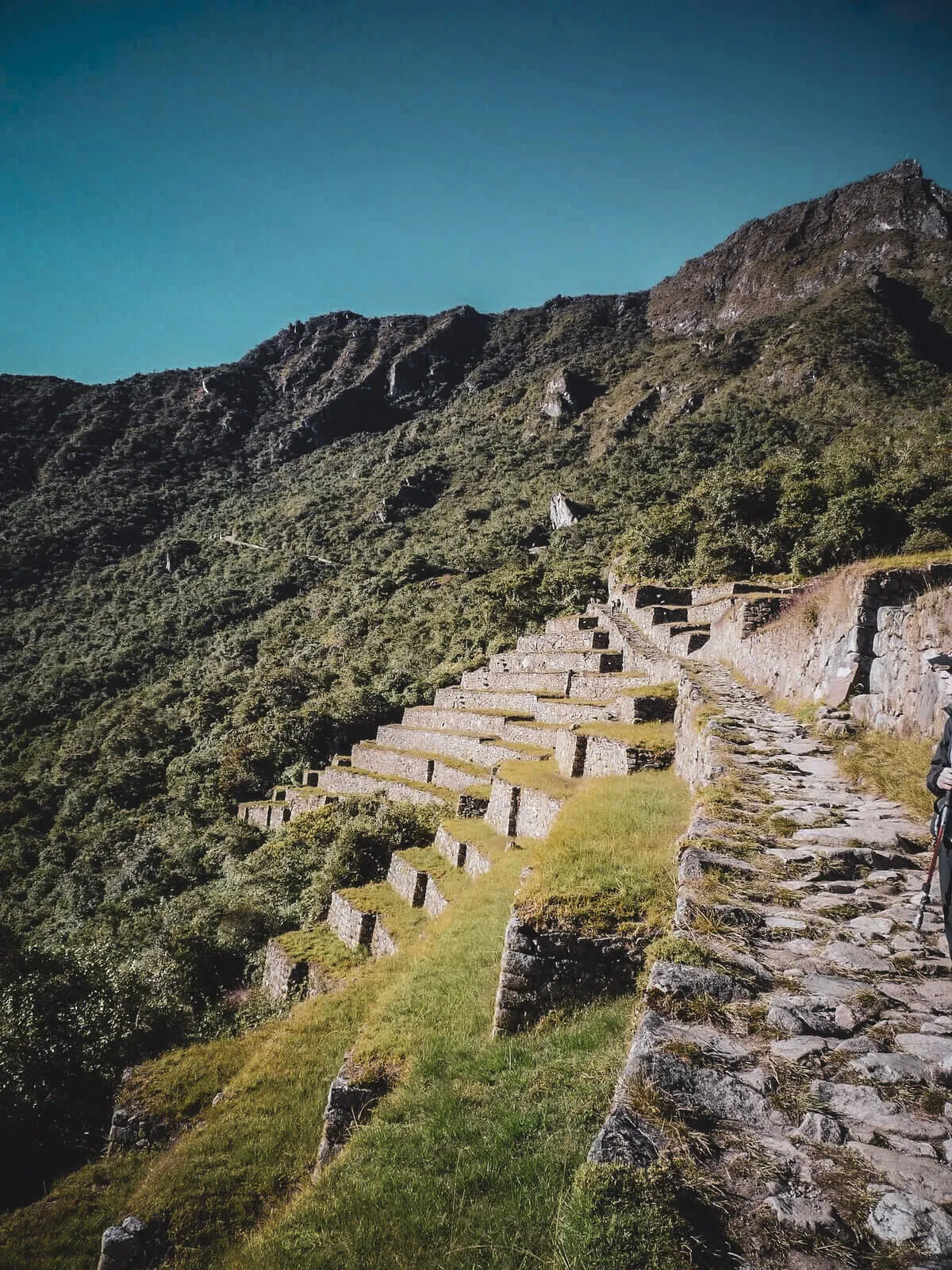
December should be planned as wet because the probability and consequences of rain are higher—not because every hour is rainy. A clear morning is possible; it should not be used to unpack waterproof protection or promise the Intipunku view.
See the route photo guideClimate vs current conditions
A month guide prepares the traveler. It cannot authorize or cancel a departure.
Typical December variability, complete waterproof system and no adverse official notice.
Recent heavy rain, forecast escalation, transport disruption or equipment gaps that need operator confirmation.
Closure, route restriction or instruction from SERNANP, Cultura, rangers or the authorized guide.
Official instructions from SERNANP, the Ministry of Culture, rangers and the authorized operator take precedence over generic guidance and old blog posts.
Rainy season still has fixed inventory
Confirm that the year's permits have been released, then check the route and departure. Wet-season classification does not create walk-up access or reserve the holiday travel chain.
The checker is a planning signal—not a reservation, operator contract or confirmation of trains, hotels or site admission.
Understand permit availabilityPlease wait while we check the selected date.
Dates in the same month currently showing permits
Availability data may be delayed. It does not guarantee a permit, tour departure or confirmed booking.
December logistics
Peru's 2026 government calendar lists national holidays on December 8, 9 and 25. Christmas-to-New-Year travel can also compress fixed-date options. These dates do not automatically close the trail.
Holiday calendars and non-working days can change by year. Verify the official calendar, transport schedules and operator plan for the year you travel.
Does December fit you?
Classic or Short in December?
The Short Inca Trail reduces total weather exposure; it does not remove steep stone, rain, visibility uncertainty or controlled access.
Choose it when camps, high passes and the full ecological progression remain the purpose of the trip across several possible weather cycles.
Choose it when Wiñay Wayna and Intipunku matter more than camping or maximizing trail time in variable weather.
December packing changes
This adjusts the complete list for December. Confirm porter limits and the actual tent, mat and sleeping equipment supplied.
Choose pieces that work while climbing and fit over the insulation you actually carry.
Use a pack liner plus sealed bags for sleep layers, medication, documents and electronics.
Reserve one complete dry system for recovery; never spend it early on a merely damp hiking layer.
Carry spare socks, blister supplies and a plan for separating wet footwear from sleeping gear.
Test boots or shoes on descents before Peru; waterproofing cannot compensate for poor grip or fit.
Keep rain, sun and light insulation within reach as conditions change across elevation.
Operator questions for December
Inca Trail Company is an independent information and availability platform, not a tour operator. We may earn commissions from selected partners and sell API tools to tourism businesses; operators do not pay to change official availability.
Compare operatorsClose the calendar loop
Move toward November when a slightly earlier wet-season position matters more than December holiday timing.
November guide →Next · JanuaryMove toward January when avoiding late-December holidays matters more than stronger wet-season commitment.
January guide →Full calendarNow compare the complete year by weather probability, permit pressure, scenery and fixed dates.
Best-time guide →December questions
December is normally possible, visibly different and operationally conditional. It is neither guaranteed empty nor continuously rainy.
Yes. December completes the twelve-month Inca Trail planning series. The best-time guide connects all months so travelers can compare weather probability, access and personal priorities.
December is normally an operating month, subject to permits, current conditions and official notices. Recent official records place scheduled maintenance in February, not December; verify the rules for your travel year.
It can be for adaptable hikers who value greener scenery and atmospheric conditions more than dry stone or predictable views. It is a poor fit when rain would invalidate the experience.
Not necessarily. December can combine rain, mist, cloud and clear intervals. The useful assumption is that you will get wet at some point—not that every hour will be rainy.
It can be. Smooth stone, earth and roots may remain wet after rain stops. Tested footwear, careful downhill technique and the authorized guide's pace matter.
It may face less holiday-related pressure, but quiet is not guaranteed. Regulated trail demand, hotels, trains and site admission each follow their own date-specific inventory.
National holidays do not automatically close the trail. Peru's official calendar lists December holidays, but travelers should confirm the actual operator, transport and site arrangements for their year.
Specific departures can become unavailable, especially when travel dates are fixed. Check the exact route and start date instead of assuming rainy season means unlimited access.
Choose the Classic route when the complete camping journey remains worthwhile despite several weather cycles. Choose the Short Inca Trail to reduce nights and total exposure. Both use controlled date-specific access.
Climate tells you how to prepare; current official notices tell you whether operations or access have changed. A dated warning or route instruction always outranks a generic month guide.
Official sources establish the November–March rainy-season window, authorized-operator requirement, documented February maintenance and national holiday dates. Holiday-pressure guidance is an inference: fixed-date travel can tighten adjacent services, but official holidays do not prove a trail sellout.
Current warnings, route restrictions and operating instructions always supersede this seasonal guide.
December fits the traveler?
The last month completes the calendar. Its decision remains the same: actual availability and current conditions outrank generic advice.