
Cloud builds
Move the shell and pack cover to hand before the first drops. Waiting until clothing is wet makes temperature management harder.
Rain returns · the trail changes
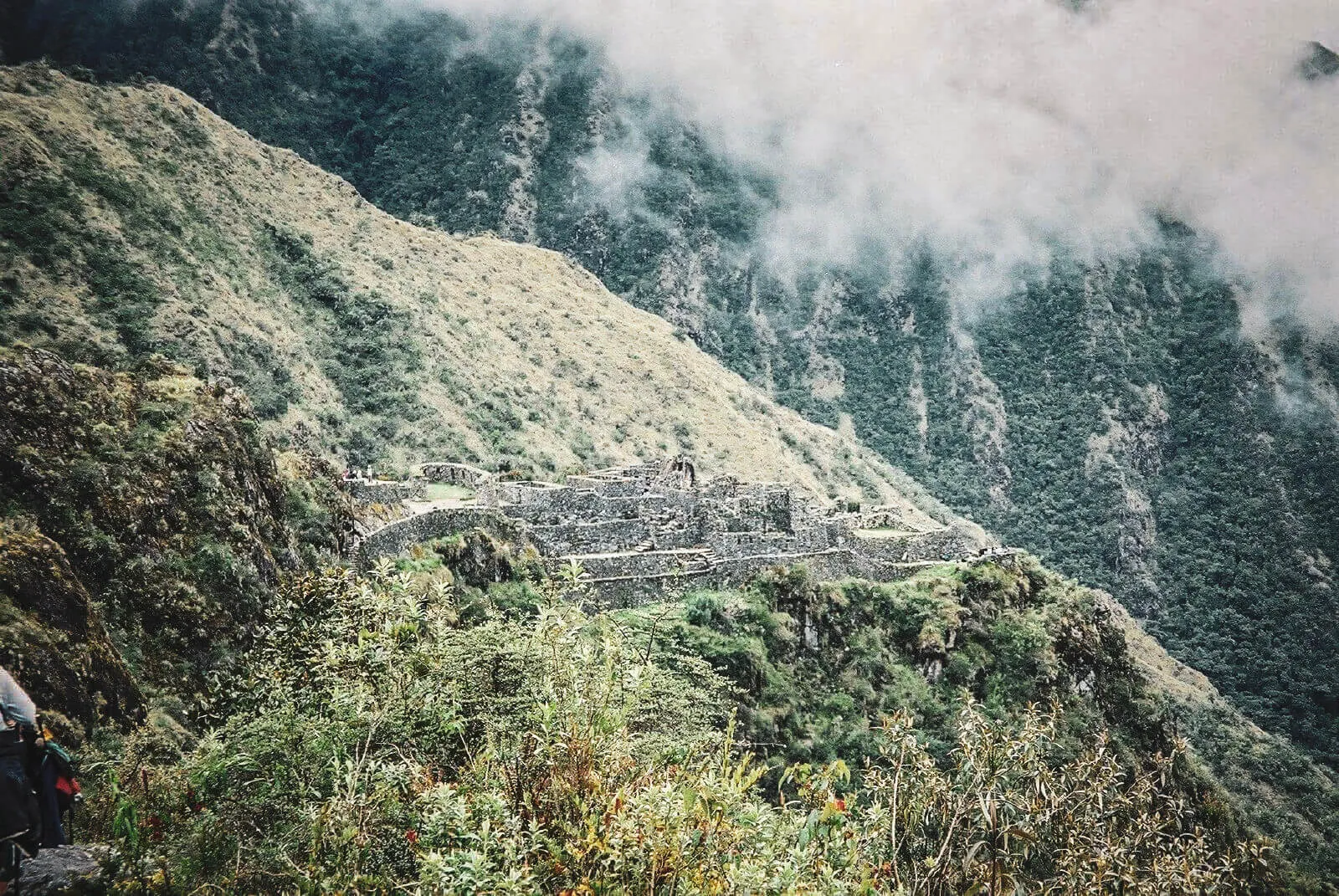
November exchanges dry-season predictability for greener scenery, mist and greater weather variation. It rewards hikers who can manage wet stone, protect a dry camp system and accept that visibility may change within minutes.
More atmosphere
more weather work
The short answer
SERNANP identifies November through March as the rainy season. That does not mean constant rain, but it changes the planning standard: waterproofing is essential, wet-stone pace matters and a clear Intipunku view cannot define success.
November at a glance
Seasonal probability informs preparation. Short-range weather, official notices and the actual campsite sequence govern the departure.
The November rain chain
The difference between inconvenience and a miserable trek is often what happens before saturation, on the descent and immediately after reaching camp.
Move the shell and pack cover to hand before the first drops. Waiting until clothing is wet makes temperature management harder.
Seal sleep layers, medication, documents and electronics independently. A backpack cover alone does not create a dry interior.
Shorten steps, use poles where permitted and prioritize grip over keeping the planned pace.
Do not bring saturated layers into the sleeping system. Change before cooling and manage ventilation inside the tent.
Keep one dry base system protected, expect some exterior gear to remain damp and adjust the day's layer plan.
Early vs late November
A calendar trend cannot tell you whether rain falls during your climb, overnight or outside the trek entirely.
Early dates may retain longer dry periods, but November already sits inside SERNANP's rainy-season window. Treat this as a preference, never a promise.
If the route, acclimatization and operator plan work, a small calendar difference is usually less important than being properly equipped.
Later dates move deeper into the wet-season direction. A dry trek remains possible, but waterproofing should be treated as essential rather than backup.
What changes on the ground
“Rainy season” is useful only when translated into footing, temperature management, visibility and conservation behavior.
Smooth steps can remain wet after rain or mist. Reliable grip and controlled downhill technique matter more than waterproof branding alone.
Use the established route, avoid widening the trail around puddles and follow guide or ranger instructions that protect both safety and vegetation.
Altitude, wind and a wet outer layer can cool the body quickly when movement stops. Rain does not remove the need for acclimatization.
Moisture and changing visibility are part of this ecosystem. The same cloud that hides a ridge can reveal it minutes later.
Build a dry core
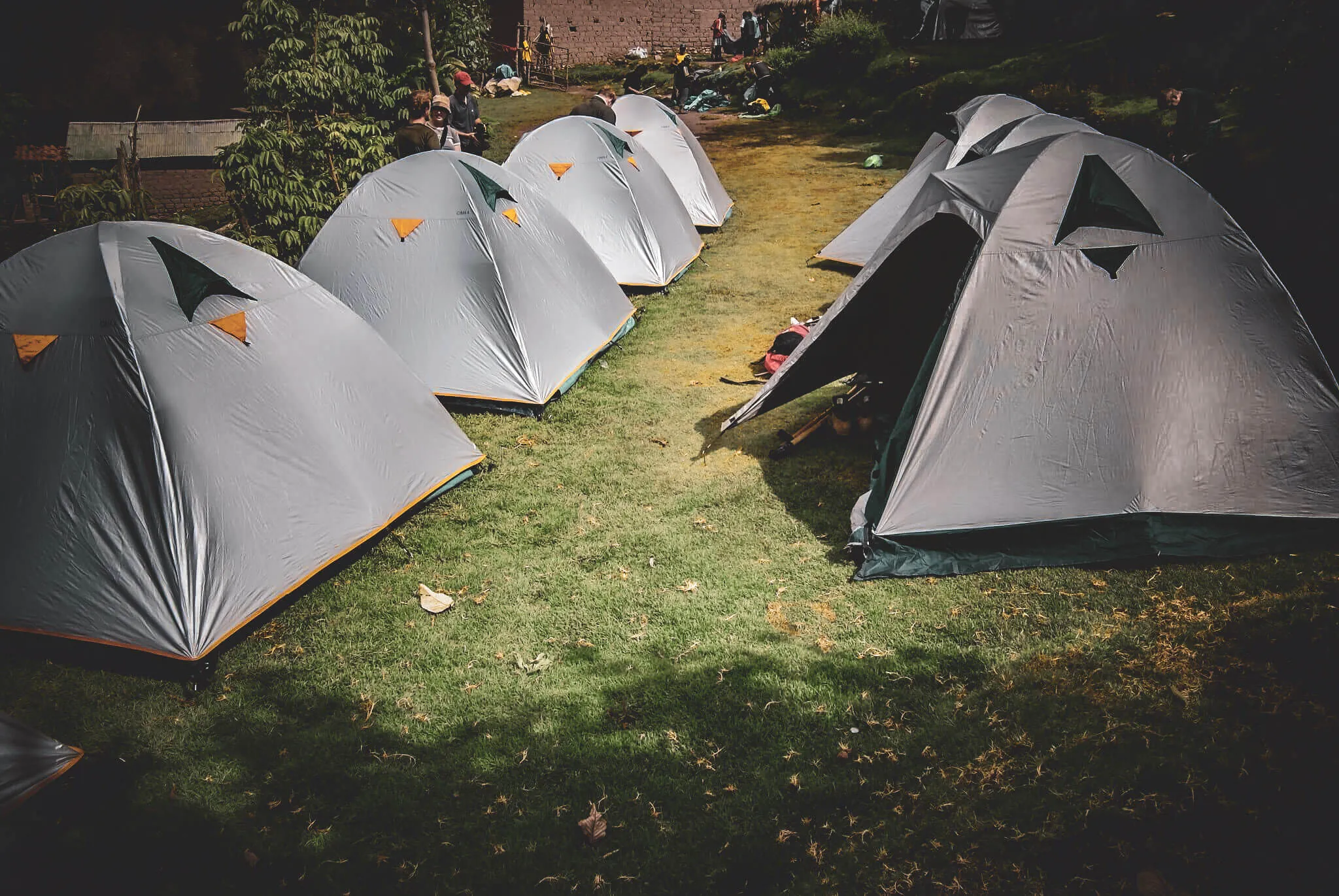
You can walk in wet outer layers. You should not sleep in them. Protect one complete set of camp clothing, sleeping insulation, medication and essential documents inside independent waterproof barriers.
Understand campsite realitiesPace by condition
These are planning principles, not instructions that replace the authorized guide's judgment on the day.
Use the opportunity without assuming the next descent will remain dry.
Avoid matching another hiker's speed on a surface you have not tested.
Add the shell before saturation and accept slower progress through steep sections.
Route decisions and shelter actions belong to the authorized team using current conditions—not a blog itinerary.
November still requires a permit
Confirm that inventory for the travel year has been released, then check the exact route and start date. A rainy-season label cannot tell you whether your departure is available.
The checker is a planning signal—not a reservation, operator contract or weather guarantee.
Understand permit availabilityPlease wait while we check the selected date.
Dates in the same month currently showing permits
Availability data may be delayed. It does not guarantee a permit, tour departure or confirmed booking.
Does November fit you?
Classic or Short in November?
The Short Inca Trail reduces nights and total exposure. It does not guarantee dry stone, clear views or unregulated access.
Choose it when the complete high-pass, camping and ecological progression remains worthwhile across several potentially wet days.
Choose it when Wiñay Wayna and Intipunku matter more than multi-night camping and the full high-pass journey.
November packing changes
This is the November adjustment, not the full packing list. Confirm porter limits and operator-supplied camping equipment.
Prioritize breathability, hood adjustment and a fit that works over insulating layers.
Use redundancy for sleep layers, medication, documents and electronics.
Avoid making one slow-drying garment responsible for comfort across several days.
Rain, cloud and inactivity can feel cold even when valley daytime temperatures seem mild.
Rotate dry pairs, manage hot spots early and confirm how wet footwear will be handled overnight.
Choose fit and wet-stone control; do not begin a multi-day trek in untested boots.
Operator questions for November
Inca Trail Company is an independent information and availability platform, not a tour operator. We may earn commissions from selected partners and sell API tools to tourism businesses; operators do not pay to change official availability.
Compare operatorsAround November
Move toward October when reducing rain probability matters more than November's greener, quieter-season appeal.
October guide →Next · DecemberMove toward December only when fixed dates or holiday travel outweigh the stronger rain commitment.
December guide →Full calendarBalance weather probability, permit pressure, scenery and fixed travel dates.
Best-time guide →November questions
November increases weather work. It does not mean constant rain, closure, empty trails or guaranteed green scenery.
It can be. November suits hikers who value greener scenery, potentially lower peak-season pressure and atmospheric conditions more than the lowest possible rain probability. Wet-weather preparation is essential.
Yes. SERNANP identifies November through March as the sanctuary's rainy season. That describes a seasonal increase in rain probability, not continuous rain on every November departure.
Not necessarily. A trek may include dry periods, sun, mist, showers or longer rain. Monthly labels cannot predict the timing or duration on your exact route days.
November is normally an operating month, subject to permits, official notices and current conditions. The documented annual maintenance closure occurs in February; always verify notices for the year and date you travel.
Early November has a slight seasonal advantage because it is closer to October, while late November moves toward December. The difference is probabilistic, and a good permit and itinerary should usually outweigh weather guesswork between nearby dates.
Yes, in practical ways. Wet stone can reduce traction, mud changes foot placement, gear management adds work and cloud or rain can increase cold stress. The route's altitude and climbing remain unchanged.
It can experience less wider tourism pressure than the core dry-season months, but quiet is not guaranteed. Access remains regulated and groups still concentrate at checkpoints, camps and major archaeological sites.
Individual dates can become unavailable. Check the exact route and departure rather than assuming rainy-season classification means unlimited last-minute access.
Choose the four-day Classic route for the complete high-pass and camping journey when several days of possible rain are acceptable. Choose the Short Inca Trail to reduce nights and total exposure. Both require controlled date-specific access.
Prioritize sleep layers, sleeping insulation, medication, documents and essential electronics. Separate those items inside waterproof liners instead of relying only on the pack cover.
Official sources establish the November–March rainy-season window, authorized-operator rule, sanctuary ecosystems and the documented February maintenance period. Operational advice translates those facts into conservative trail and camp decisions.
We do not turn one year's weather events into a future forecast or promise quieter departures. Current notices and official inventory take precedence.
Reviewed August 10, 2026 · Corrections: contact our editorial team
November fits your tolerance?
A permit makes the departure possible. Preparation determines whether changing weather remains part of the experience instead of controlling it.