
Traditional multi-day route
Classic Inca Trail availability
The best-known route begins near Piscacucho at Km 82 and is generally completed over four days and three nights. Its permits are tied to the precise departure date.
Check Classic dates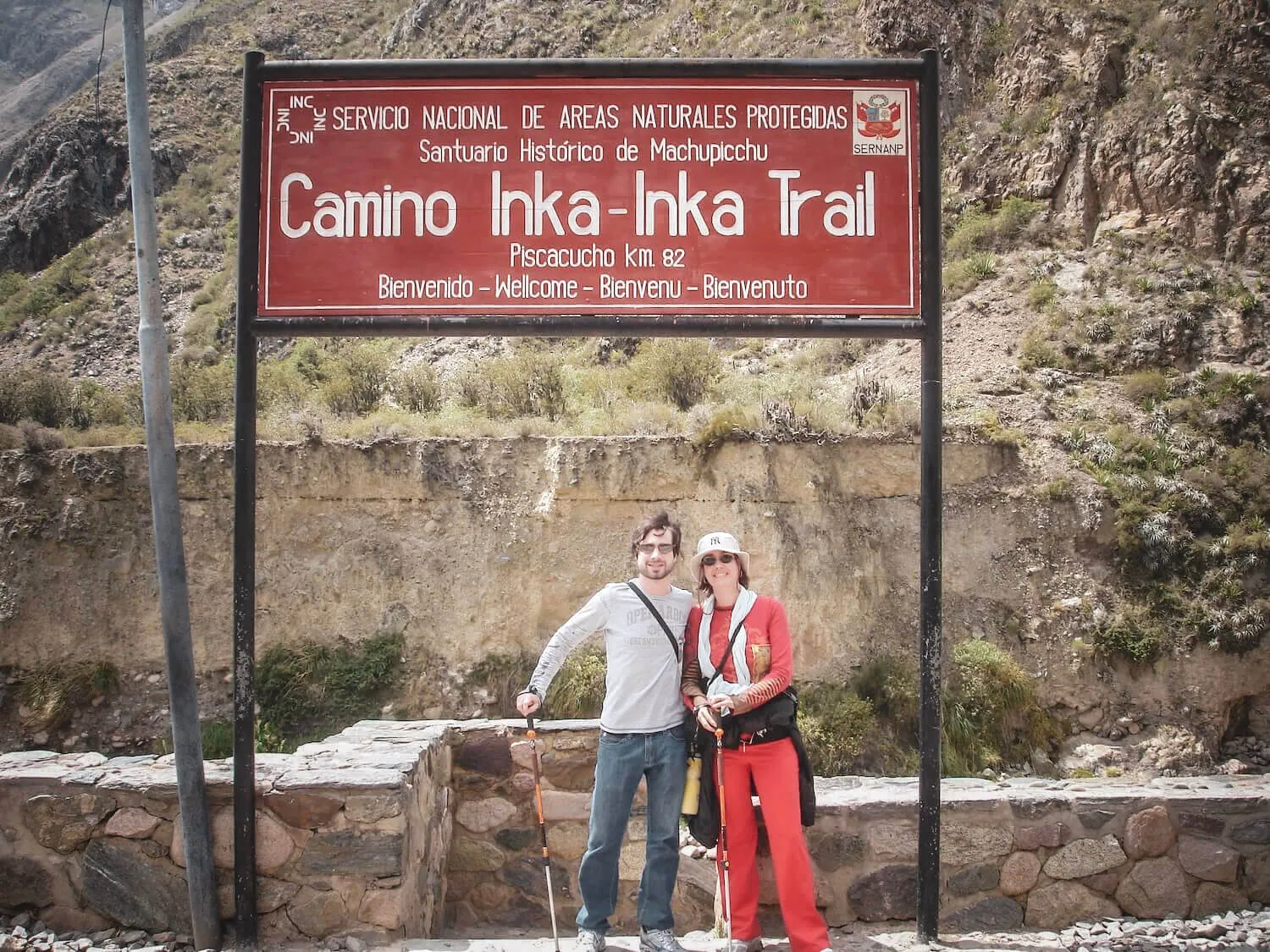
Plan with current information
Check availability before choosing dates or booking. Access is controlled by route and departure date, and travelers enter through an authorized tourism operator.
Check live availabilityUse the calendar to review the Classic Inca Trail, Short Inca Trail and other enabled routes when the live data connection is active.
Availability can change while reservations are processed. Your place is secured only after an authorized operator completes the process and sends written confirmation.
Live calendar
Availability last updated: Connection pending
Select a date to see its latest permit count.
Loading monthly availability…
Availability can change while reservations are processed. A visible space is not held for you; it is secured only after an authorized operator completes the reservation and provides written confirmation.
Choose the correct calendar
The Classic and Short Inca Trail are separate products with different starting points, schedules and availability. Always check the exact trail-entry date.
Traditional multi-day route
The best-known route begins near Piscacucho at Km 82 and is generally completed over four days and three nights. Its permits are tied to the precise departure date.
Check Classic dates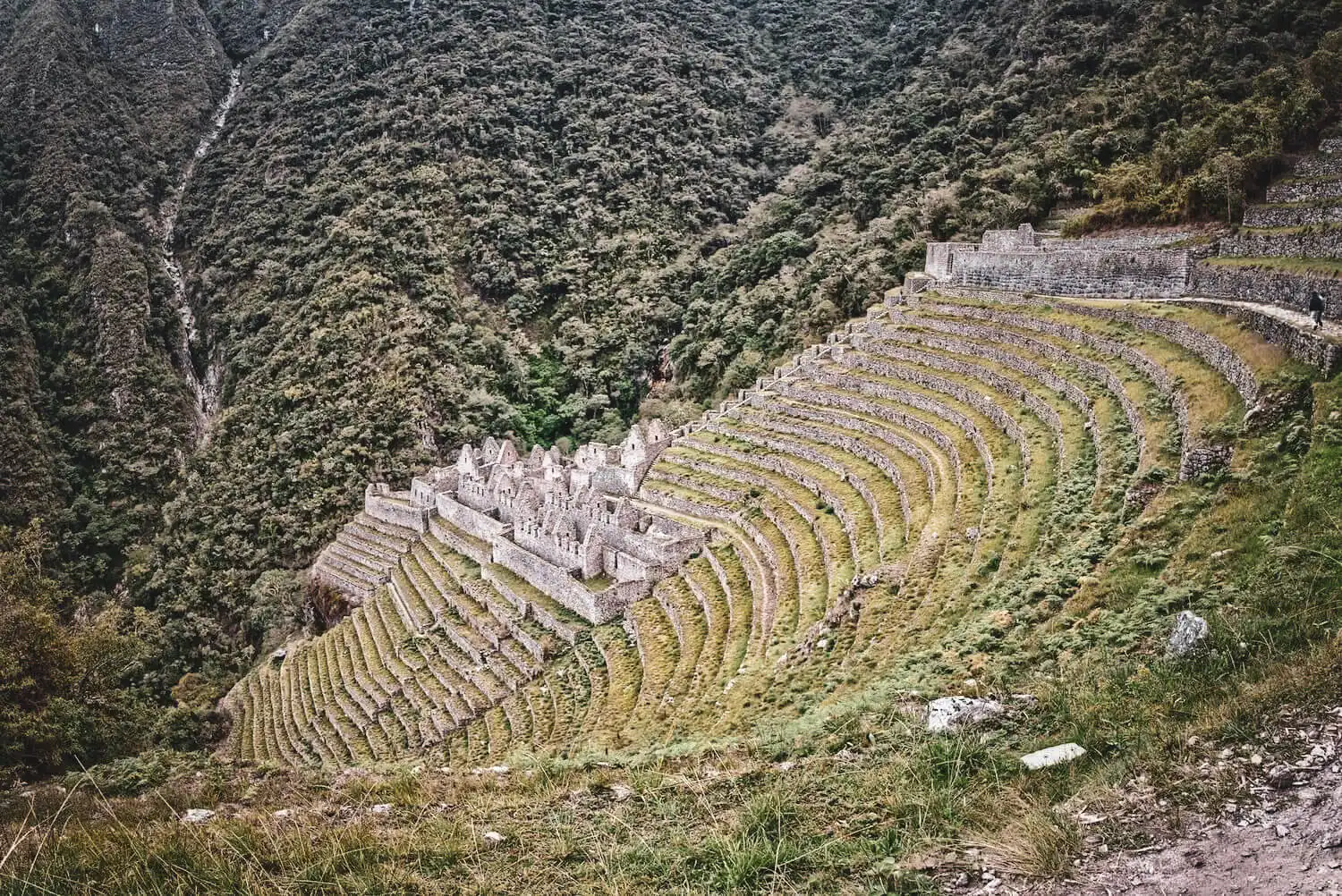
Km 104 route
The shorter route commonly enters near Chachabamba at Km 104. Commercial itineraries may package it as one or two days, so check the actual trail-entry date.
Check Short Trail datesThe regulated access
An Inca Trail permit is the authorization required to enter a regulated route within the Inca Trail Network of the Historic Sanctuary of Machupicchu. It is linked to a specific route and entry date.
Controlled access helps public authorities manage visitors, tourism services, conservation and infrastructure across a protected landscape of archaeological sites, ecosystems and historic roads.
Who manages access?
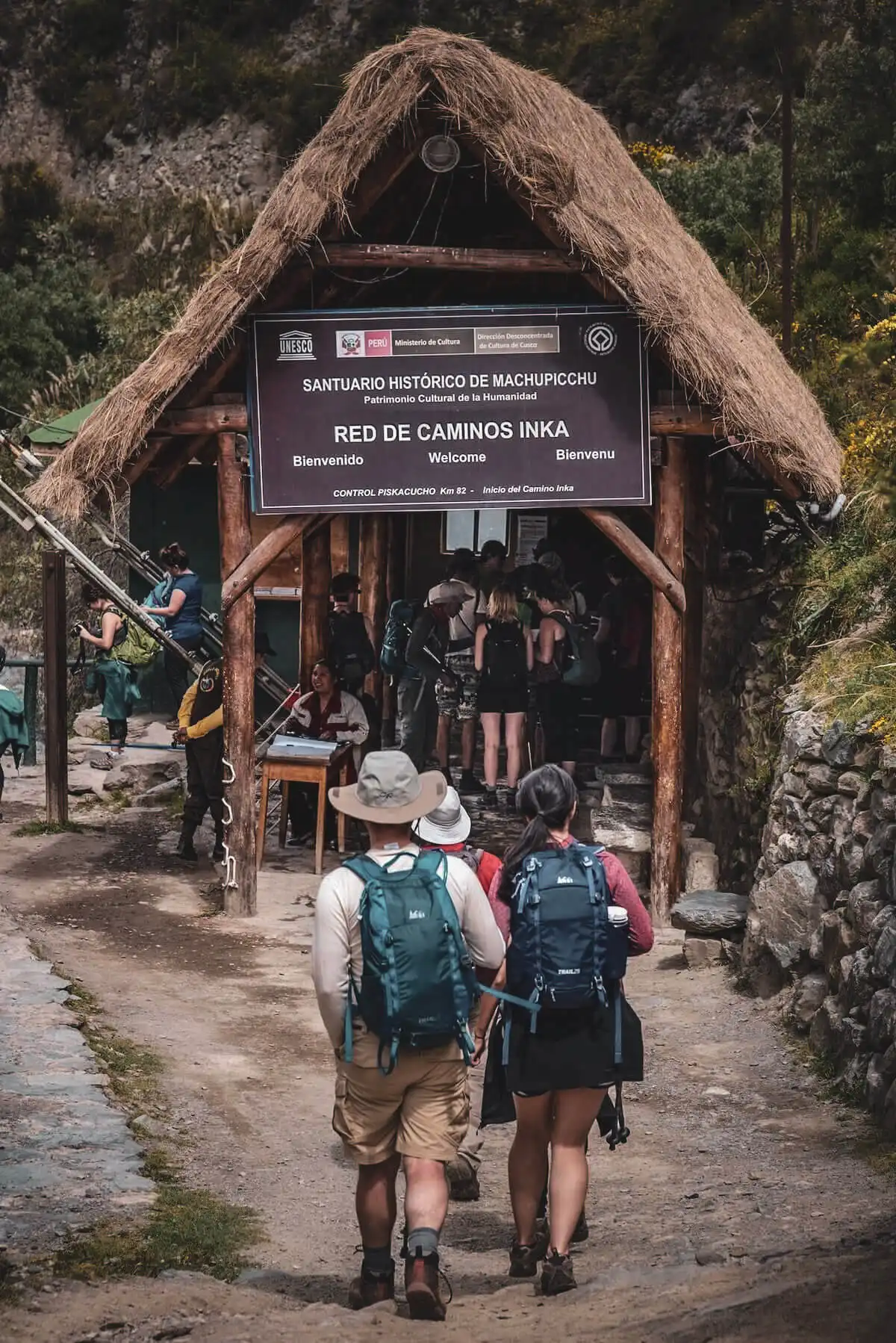
The Inca Trail Network lies within the Historic Sanctuary of Machupicchu. Its natural and cultural protection involves SERNANP and the Ministry of Culture.
Travel services operate within an authorization and visitor-management system. Independent travelers cannot simply arrive at the entrance and purchase access for an unguided hike.
Inca Trail Company does not issue government permits. We help travelers understand availability and compare providers.
The booking process
Confirm availability, choose the correct route and use an authorized operator. The administrative process can follow from those decisions.
Decide between the Classic and shorter routes, and keep at least two backup departure dates.
Review the route, month, status and latest update. Available does not mean reserved.
Evaluate the complete service, group size, staffing, equipment, tickets and policies.
Send information only after reviewing the itinerary, terms and payment conditions.
Confirm the traveler, route, trail-entry date, Machu Picchu access and remaining payment.
Provide details exactly as they appear on the passport or identification document you will carry.
Changes and refunds
Changes, replacements, cancellations and refunds may be limited by official procedures and the operator’s own terms. Treat traveler details and the departure date as final unless your provider confirms otherwise in writing.
When to book
Book once your dates are reasonably firm and permits have been released. Demand varies by month, route, group size and flexibility.
Fixed dates, larger groups and limited route flexibility make early checks more important. Drier months can see stronger demand, but always check the exact departure.
Release timing can change between operating years. “Not yet released” means reservations are not open or visible; it is not the same as sold out.
Search the days immediately before and after your preferred date, expand to the same week and compare both regulated routes.
An operator deposit before release may be only a request. Ask what happens if no preferred or backup date can be secured.
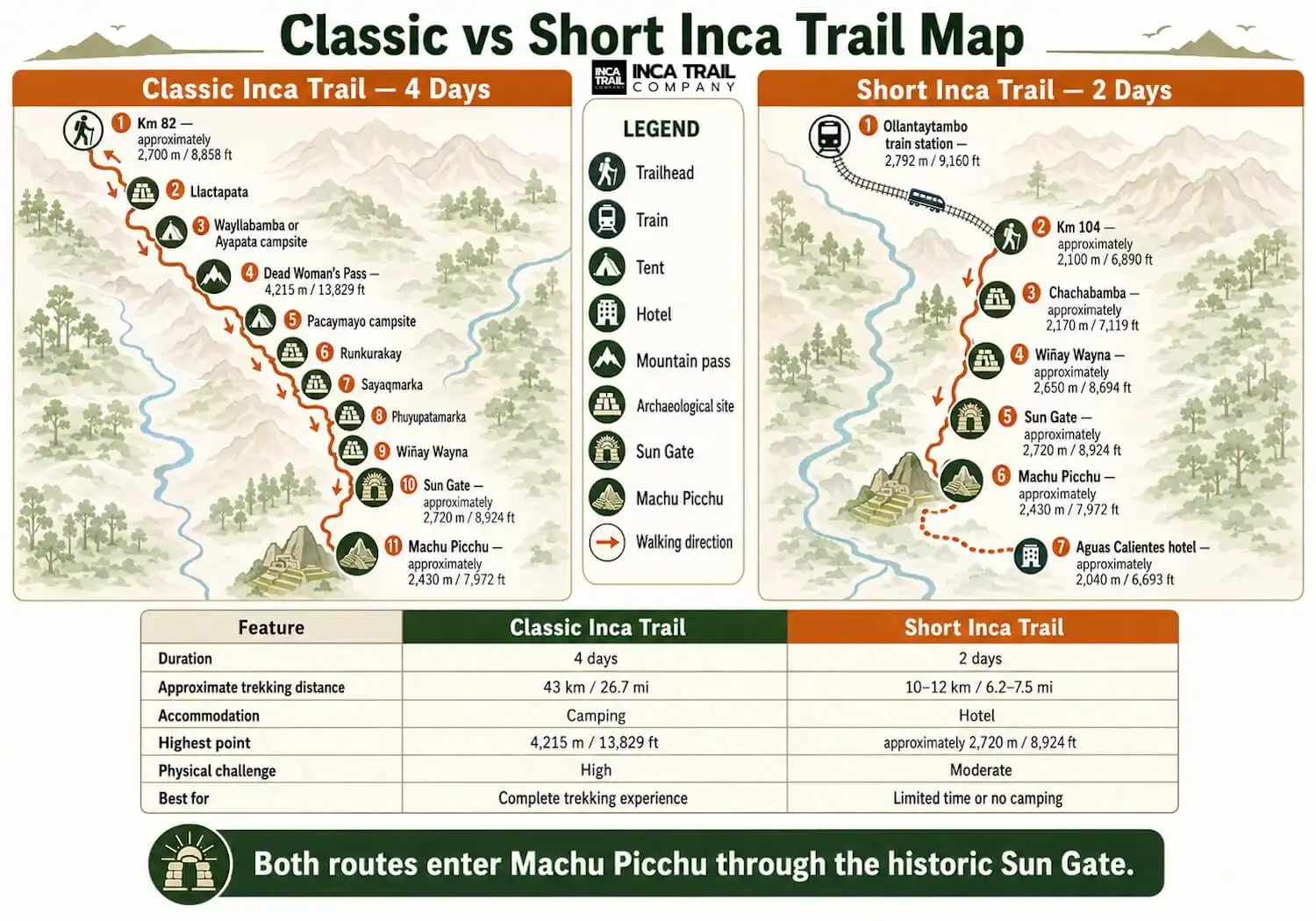
Classic vs. Short
Choose the Classic Trail for a complete multi-day camping experience. Choose the Short Trail when time and physical commitment are the priority.
When dates are sold out
A sold-out date does not require cancelling your Peru trip. Decide whether your priority is the regulated trail, a multi-day hike or visiting Machu Picchu itself.
Closures and access updates
A route may show no spaces because permits are sold out, have not been released or the route is not operating. Always review both the calendar status and current official notices.
Weather, conservation work, safety concerns or operational decisions can affect a confirmed itinerary. In 2025, intense rainfall led authorities to extend a temporary closure, showing why recent notices matter.
Before you book
Complete these checks before submitting traveler details or making a nonrefundable payment.
Make sure all information matches the document you will carry. Ask how a renewal or replacement must be handled before reserving.
“An Inca Trail tour” can describe several different products. Confirm the regulated route, not only the marketing name.
Request an itemized list so two prices can be compared fairly.
Read the permit restrictions and the provider’s commercial terms. Do not rely on verbal assurances.
Beyond the permit
Regulated access is only one part of the trek. Prices, group sizes, equipment, staffing, accommodation and cancellation terms can differ.
Inca Trail Company is a neutral information platform. Disclosed referral commissions do not determine editorial recommendations or preferred placement.
The first practical question
If permits are available, compare authorized operators and request written confirmation. If sold out, search nearby departures or another route before changing your trip.
Check live availabilityFor Inca Trail operators
The Machu Picchu API provides availability data and website tools for agencies, tour operators and travel platforms.