Reach the boarding point
Depending on season, service and ticket, the trip may start with rail from Cusco-area stations or a bus-and-train connection through the Sacred Valley.
Make the journey the experience—or focus on the destination
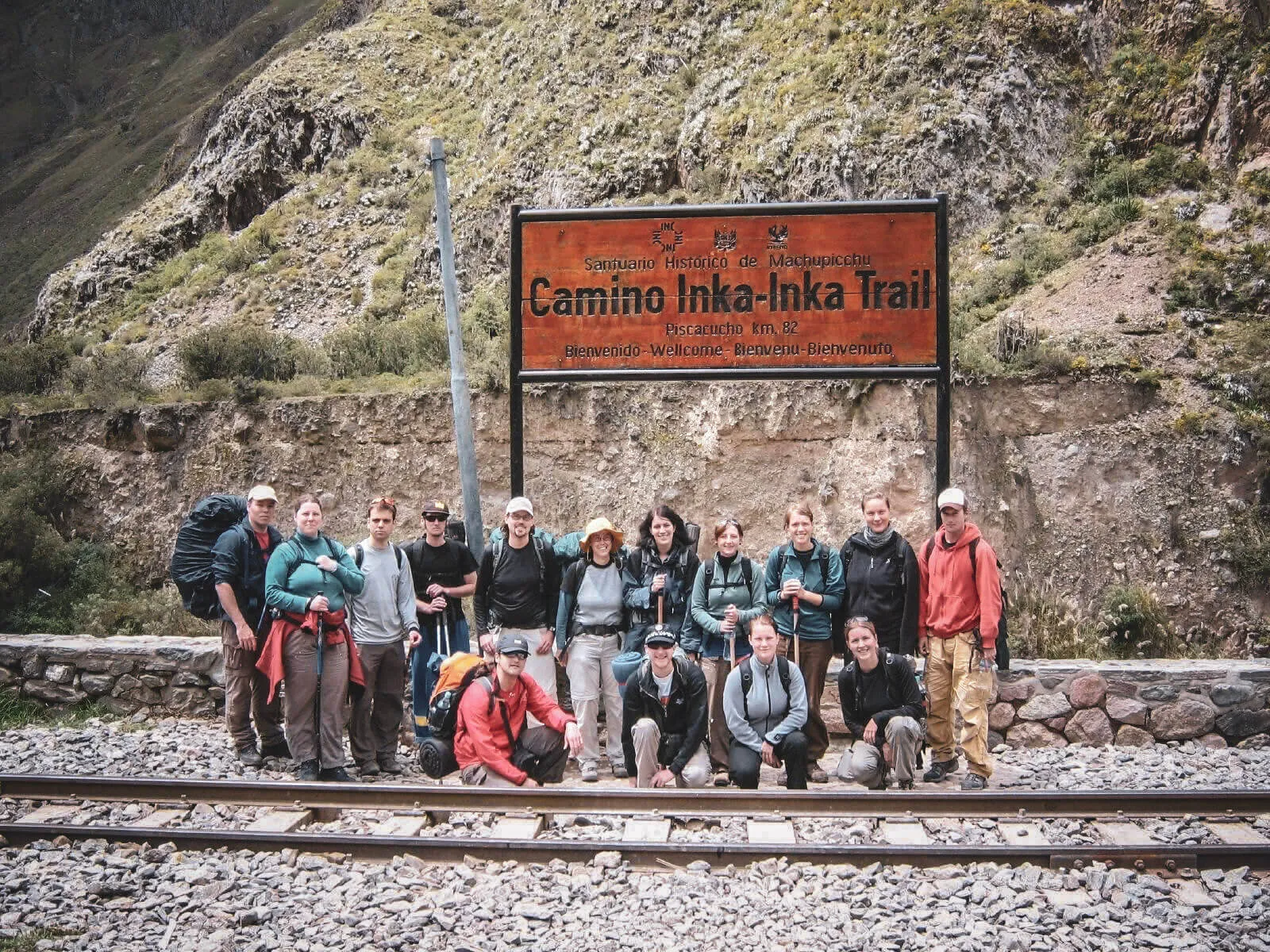
Choose the Inca Trail when several days of trekking are part of the dream. Choose the train when Machu Picchu, comfort and itinerary time are the priorities.
The train is transport. The Inca Trail is a journey in its own right.
Both can produce an excellent Machu Picchu visit. The difference is where you invest your time and effort: several days inside the historic landscape, or a shorter rail approach that protects time for the destination and the rest of Peru.
Compare every factorSide by side
The railway schedule and departure station can change by date and season. Compare your actual ticket, not a generic claim about “the train from Cusco.”
| Comparison | Classic Inca Trail | Train to Machupicchu Pueblo |
|---|---|---|
| Best for | Travelers who want the journey to be a multi-day experience | Travelers prioritizing Machu Picchu, time and comfort |
| Time commitment | Usually 4 days / 3 nights on the Classic route | A scheduled rail journey within a day trip or overnight plan |
| Physical effort | High: altitude, ascent, descent and irregular stone stairs | Much lower for the approach; Machu Picchu itself still involves walking and steps |
| Comfort | Camping, early starts and changing weather | A reserved seat plus hotel choices and different service levels |
| Journey | Walking within mountains, cloud forest and archaeological landscapes | Observing the Sacred Valley and Urubamba corridor from the train |
| Archaeology before Machu Picchu | A defining sequence along the historic road | Limited; the main archaeological visit begins at Machu Picchu |
| Arrival | The protected corridor approaches through Inti Punku | Rail terminates in Machupicchu Pueblo, followed by separate site access |
| Planning system | Dated trail access through an authorized operator | Train seat, Machu Picchu admission and local access must align |
| Flexibility | Low after the named trek date is secured | Generally higher, but schedules and site tickets still sell out |
| Independent planning | Not permitted on the regulated trail | Possible, but every transport and admission layer remains the traveler's responsibility |
| Weather exposure | Several days outdoors | Shorter exposure, though rail, road and site operations can still be affected |
| What the price buys | A guided, supported trekking operation | Transport plus separately selected admission, bus, guide and accommodation |
“Train to Machu Picchu” has four layers
Rail transport, local site access and Machu Picchu admission must work as one timed chain.
Depending on season, service and ticket, the trip may start with rail from Cusco-area stations or a bus-and-train connection through the Sacred Valley.
The railway follows the Urubamba corridor and ends in the gateway town, not at the archaeological entrance.
Most visitors continue by scheduled local bus; walking is a separate, steep option that requires enough time and energy.
Machu Picchu admission is tied to a date, time, circuit and visitor route. A train ticket does not provide admission.
You would value the trek even before reaching its famous destination.
You want several days of walking—not merely a slower transfer—to be one of the defining experiences of Peru.
Sites, road engineering and changing landscapes should provide context before Machu Picchu.
You specifically want the protected trail's approach through the Sun Gate.
Camping, early starts, variable weather and sustained effort sound meaningful rather than obligatory.
A real permit is available and you have time to acclimatize and prepare before departure.
You want a shorter, more comfortable and less physically demanding approach.
You want to dedicate time and energy to the archaeological site rather than a multi-day approach.
A rail-based visit leaves more days for Cusco, the Sacred Valley or another region.
A reserved seat, hotel and shorter outdoor exposure fit your travel style better than camping.
Companions can share the destination without everyone committing to the same multi-day physical challenge.
Permits, health, mobility, time or personal preference make a rail-based visit the more responsible choice.
Effort and accessibility
The Classic Trail requires several consecutive hiking days at altitude. Rail removes that approach, but Machu Picchu visitor routes still involve uneven stone surfaces, inclines and stairs. Check the chosen circuit against the needs of every traveler.
Understand the Classic Trail demandClassic Inca Trail
Rail-based visit
Audit the rail itinerary
Confirm the real starting point, whether the service is train-only or bimodal, the boarding station, luggage rules and the connection in Machupicchu Pueblo.
PeruRail's 2026 operation includes both regular and bus-plus-train patterns depending on service and season.
A train seat is not a Machu Picchu ticket. Record the circuit, visitor route, entry time and name details, then leave enough connection time.
If a guide, bus, hotel or meal is sold as included, require each component in the written confirmation.
Which costs less?
The Classic price normally funds a multi-day guided operation. A rail-based total is assembled from several components and can range from practical to premium without changing the destination.
Use the complete-cost methodology →We do not publish one train price: operator, service, date, station and inventory materially change it.
The middle option
The regulated Short Trail normally uses a train to reach the Km 104 area, then follows approximately 10.5 km through Chachabamba, Wiñay Wayna and Inti Punku. It preserves a meaningful historic approach without the Classic route's three camping nights.
The one-day and two-day products use the same broad trail identity but package the Machu Picchu visit and hotel differently.
Availability can settle the decision
The Classic and Short Trails require dated access through an authorized operator. Rail plans require their own train inventory plus a separately available Machu Picchu visitor route.
Availability in one system does not guarantee the others. Confirm the complete chain before making non-refundable commitments.
Open the complete permit calendarPlease wait while we check the selected date.
Dates in the same month currently showing permits
Availability data may be delayed. It does not guarantee a permit, tour departure or confirmed booking.
Five honest questions
If several days of high-altitude walking are independently exciting, the Classic Trail fits. If not, choose the train without treating it as a lesser visit.
Count acclimatization and recovery, not only the four trek dates. A train plan uses less time but still requires synchronized transport and admission.
Capability is not preference. Being fit enough does not mean camping and repeated stairs are the experience you want.
Choose the Classic Trail for Inti Punku as part of a continuous journey. Choose rail when the archaeological site itself matters more than the approach.
The Short Inca Trail combines train access to the trailhead with a substantial hike through Wiñay Wayna and Inti Punku, normally without multiple camping nights.
Choose the Classic Trail when effort, archaeological progression and Inti Punku make the trip meaningful.
View the Classic route guide →Choose the train when Machu Picchu, comfort and time elsewhere in Peru define the trip.
Review the rail itinerary checklist →Quick answers
Neither choice is more authentic. It is only better when its effort, time and access match the traveler.
Choose the Inca Trail when trekking, archaeology and the historic approach are central. Choose the train when Machu Picchu, comfort, time or lower physical demand matter more.
Yes. A rail-based visit is the standard non-trekking approach. The train reaches Machupicchu Pueblo, after which you continue separately to the reserved site entrance.
No. It terminates in Machupicchu Pueblo. Most visitors then use the local bus to the entrance; the train ticket and Machu Picchu admission are separate.
It depends on the departure station, service and seasonal operating pattern. Use the dated timetable for your exact train instead of planning around one universal duration.
Yes. The Classic route adds several days of altitude, climbing, descending, irregular stairs, camping and weather exposure. A rail visit still involves walking at Machu Picchu.
No. Authenticity is not measured by physical hardship. The train and trail create different journeys to the same protected destination.
The Short Inca Trail uses rail access to the Km 104 area and then follows the regulated path through Wiñay Wayna and Inti Punku. One- and two-day products package the experience differently.
No. Rail transport, Machu Picchu admission, local bus, guide and accommodation are separate components unless a written package explicitly includes them.
Check nearby dates and Short Trail availability if hiking matters. Otherwise, build a rail plan around a real Machu Picchu ticket rather than assuming destination admission is automatic.
Usually, yes, as part of the broader logistics or return journey. The real decision is whether the approach to Machu Picchu should include a regulated hike.
Trail identity, distances and regulated access use SERNANP. Current Machu Picchu circuits use the Ministry of Culture. Rail operating patterns use PeruRail's official 2026 information.
We deliberately avoid a universal train duration or price because station, service, timetable, season and inventory change the result. The rail-side hero is an original schematic, not a documentary train photograph.
Journey, destination or a little of both?
Compare the Classic, Short and rail-based options using real inventory before committing the rest of your Peru itinerary.