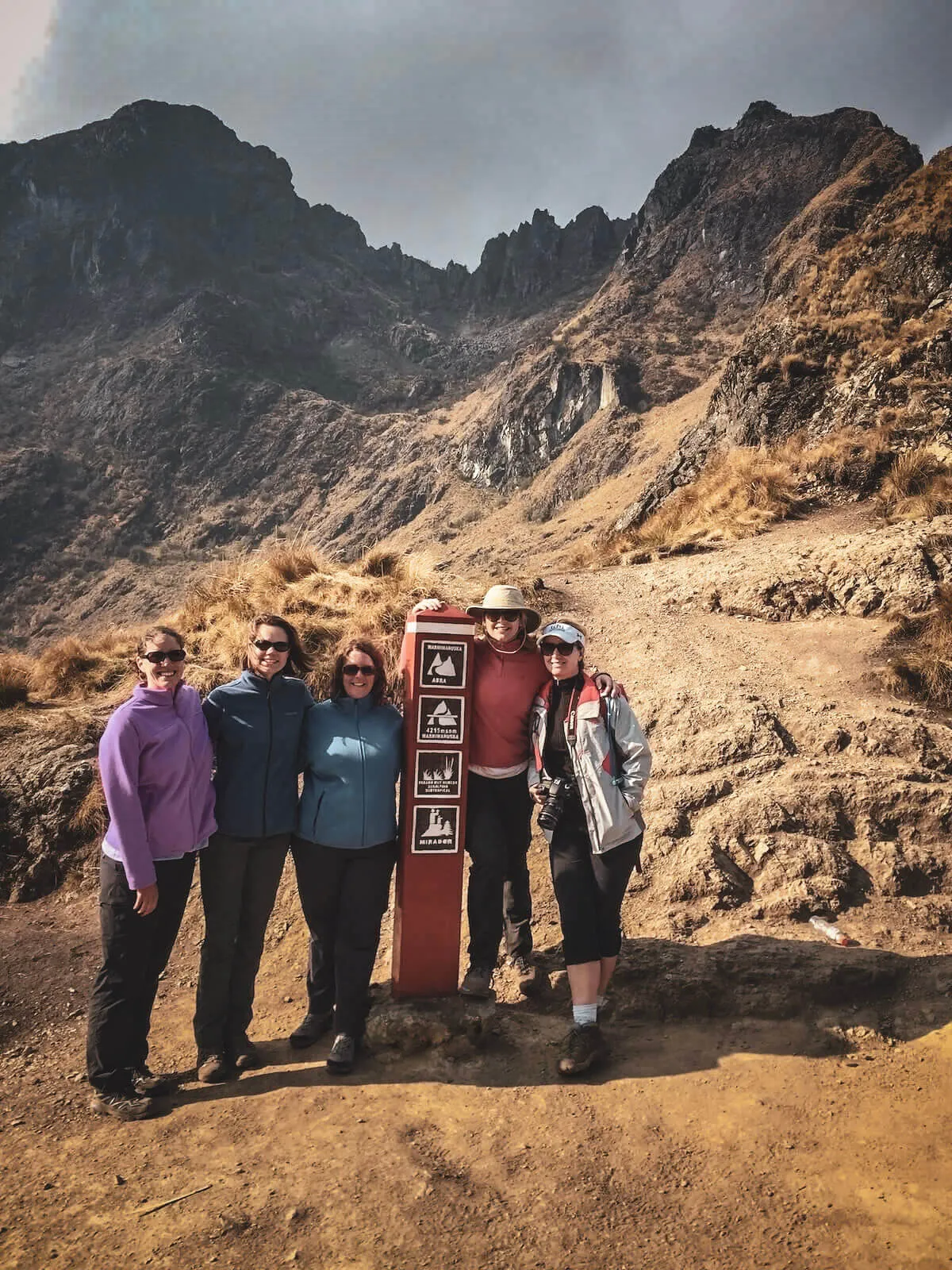
Camp departure
Warm hands, an insulated layer and dry sleep clothing matter before movement creates heat.
Dry weather · cold camps · peak demand
June gives hikers some of the year's strongest odds of dry walking conditions. It also compresses the planning margin: popular dates are limited, Cusco is busy and clear Andean nights can become sharply cold.
Favorable weather
less flexibility
The short answer
SERNANP recommends April through October and identifies November through March as the rainy season. That makes June a strong weather choice, but not a rain-free guarantee. Confirm the date first, then plan for cold nights, intense sun and the full difficulty of the route.
June at a glance
These are seasonal planning signals across multiple elevations and ecosystems—not a forecast for one departure.
Official climate context
SENAMHI's Cusco station normal is useful regional context, not a temperature promise for Warmiwañusqa, cloud forest or a specific campsite.
One June day, five conditions
SENAMHI notes that clear or lightly clouded nights favor rapid temperature drops. The same clear sky that helps daytime visibility can intensify pre-dawn cold.
Warm hands, an insulated layer and dry sleep clothing matter before movement creates heat.
Start slightly cool and adjust early. Sweat trapped during the climb can make the next stop feel colder.
Cool air can disguise strong solar exposure. Hat, sunglasses, sunscreen and water remain daily essentials.
Temperature perception can change quickly when cloud, shade, wind or a long rest replaces direct sun.
Change into dry layers and insulate before you feel cold; the sleeping system must suit the planned camps.
What June changes on the trail
The useful question is not simply “will it rain?” but how sun, cold, altitude and terrain affect each hiking day.
Lower rainfall can make stone more manageable, but long descents still punish tired legs. Use tested footwear and controlled downhill technique.
Warmiwañusqa remains a major climb. Acclimatization, pacing and honest fitness matter more than a favorable weather label.
June can favor clearer periods, yet local cloud can still hide a ridge, ruin or Machu Picchu at the hour you arrive.
Conditions near Km 104, Wiñay Wayna and Intipunku can differ from exposed high-Andean sections on the same day.
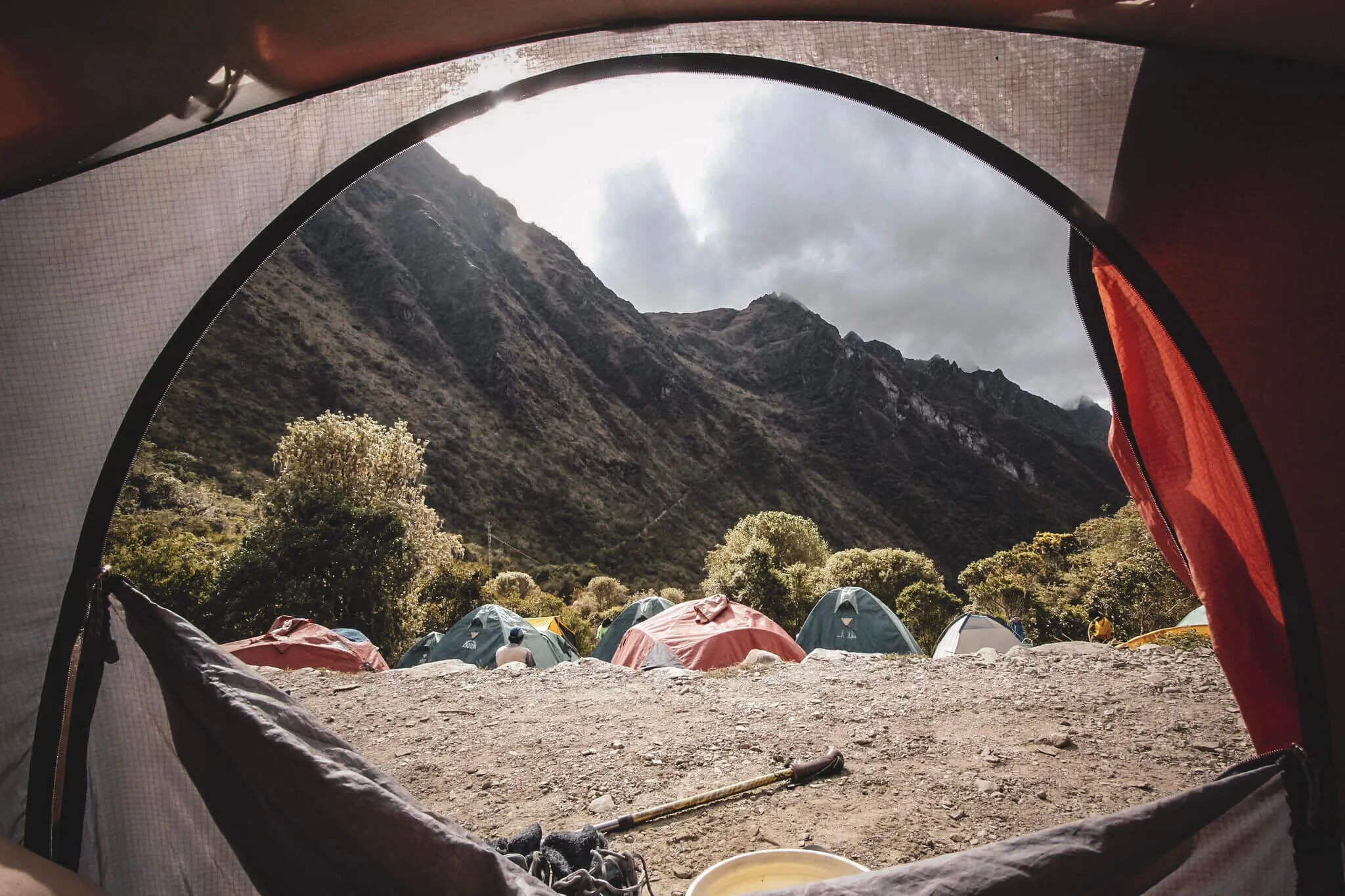
June's underplanned condition
Hiking under direct sun can make June feel warm. At camp, altitude, exposure and inactivity reverse the experience. SENAMHI identifies June and July as the coldest and most frequent period for highland frosts.
Compare campsite conditionsWhat “busy June” actually means
A regulated trek, a city festival and the wider Machu Picchu travel system overlap. Securing one layer does not automatically secure the other two.
A permit is tied to a route and start date. A result for another route or day does not secure your preferred trek.
Accommodation and local transport face extra pressure around June celebrations, particularly the Inti Raymi period.
Site admission, trains and post-trek accommodation are separate pieces. A trail space does not mean every adjacent service is still available.
Check trail inventory → secure the authorized operator → preserve acclimatization → align Cusco, transport and Machu Picchu logistics.
Inti Raymi planning
EMUFEC identifies June 24 as Inti Raymi, staged at Qorikancha, the Plaza Mayor and Saqsaywaman. It can add major cultural value to the trip—and additional pressure on accommodation, transport and city movement.
Do not assume the current year's schedule, access conditions or ticket arrangements apply to a future visit. Check EMUFEC's official program for your travel year before committing non-refundable plans.
June planning starts here
“Unavailable” and “not yet released” are not automatically the same. Interpret the status in its release-year context before changing the trip.
The checker is a planning signal—not a reservation, operator contract or guarantee that adjacent services remain open.
How permit availability worksPlease wait while we check the selected date.
Dates in the same month currently showing permits
Availability data may be delayed. It does not guarantee a permit, tour departure or confirmed booking.
Does June fit you?
Classic or Short in June?
The Short Inca Trail reduces nights and total exposure; it does not remove steep stone, strong sun, cold starts or regulated access.
Choose it for the full high-pass, campsite and ecological progression when you are prepared for cold nights and consecutive hiking days.
Choose it when reducing camping and total trail time matters more than completing the multi-day experience.
June packing changes
This is the June adjustment, not the full list. Operator-supplied equipment and porter limits must shape the final load.
Pack for inactive evening hours and pre-dawn starts, not only the temperature while climbing.
Ask which camps are planned and what sleeping bag, liner and mat the operator supplies.
Use sunglasses, a hat, sunscreen and coverage even when the air feels cool.
Dry season lowers rain probability; it does not remove showers or the need to protect essential gear.
Keep sleep layers, documents, medication and electronics isolated from moisture.
Prioritize fit, downhill control and stone traction over heavy boots chosen only for a dry forecast.
Operator questions for June
Inca Trail Company is an independent information and availability platform, not a tour operator. We may earn commissions from selected partners and sell API tools to tourism businesses; operators do not pay to change official availability.
Compare operatorsMove one month
Move toward May when post-rainy-season color matters more than June's cultural calendar and stronger cold signal.
May guide →Next · JulyMove toward July when very low seasonal rain probability matters more than colder nights and continued high demand.
July guide →Full calendarBalance weather probability, permit pressure, scenery and fixed dates across the year.
Best-time guide →June questions
June is popular for good reasons. None of them eliminate mountain weather, altitude or date-specific access.
Yes, especially if lower seasonal rain probability matters more than solitude or flexibility. SERNANP places June within its April–October recommended season. Cold nights and high demand are the main trade-offs.
It can. June is seasonally dry, not rain-proof. A short shower, cloud or damp stone remains possible across a route that joins high-Andean and cloud-forest environments.
There is no single route-wide temperature. SENAMHI says June and July are the coldest and most frequent period for meteorological frosts in the highlands. Campsite elevation, wind and exposure determine what your night actually feels like.
Direct sun and continuous movement can feel warm, while shade, wind and rest stops cool the body quickly. A flexible layer system works better than dressing for one daily temperature.
Popular June dates can become unavailable. Check the exact route and start date rather than relying on a generic deadline or an operator's marketing calendar.
Expect other regulated groups, but separate the trail from the wider region. Cusco, trains, Machu Picchu and hotels can feel busier because they serve many visitors beyond Inca Trail hikers.
EMUFEC organizes Inti Raymi on June 24, with ceremonies at Qorikancha, the Plaza Mayor and Saqsaywaman. If your trip overlaps, decide intentionally whether to attend and verify the applicable year's program.
Choose the four-day Classic route for the complete high-pass and camping progression. Choose the Short Inca Trail when reducing nights and total exposure is more important. Both have separate date-specific availability.
Potentially drier stone can improve comfort and traction, but it does not reduce the altitude, climbing, descent or consecutive hiking days. Acclimatization and preparation remain central.
Shift the balance toward warm camp layers and strong sun protection, but keep a lightweight shell and dry storage. Confirm the planned camps and supplied sleep equipment before deciding what to carry.
Official sources establish the recommended season, rainy-season window, authorized-operator rule, Cusco climate normal, highland frost pattern and annual Inti Raymi date. We keep station observations separate from route forecasts.
Demand, comfort and route-choice guidance is editorial interpretation. Live inventory should override generic booking timelines.
Reviewed August 10, 2026 · Corrections: contact our editorial team
June fits your priorities?
The seasonal forecast makes June attractive. Regulated inventory determines whether the plan exists.