01
Pre-dawn and campCold is the first condition
Pack warm layers for waiting, breakfast and the first shaded kilometers. The day's sunshine does not help before it reaches the valley or camp.
Dry weather · peak demand
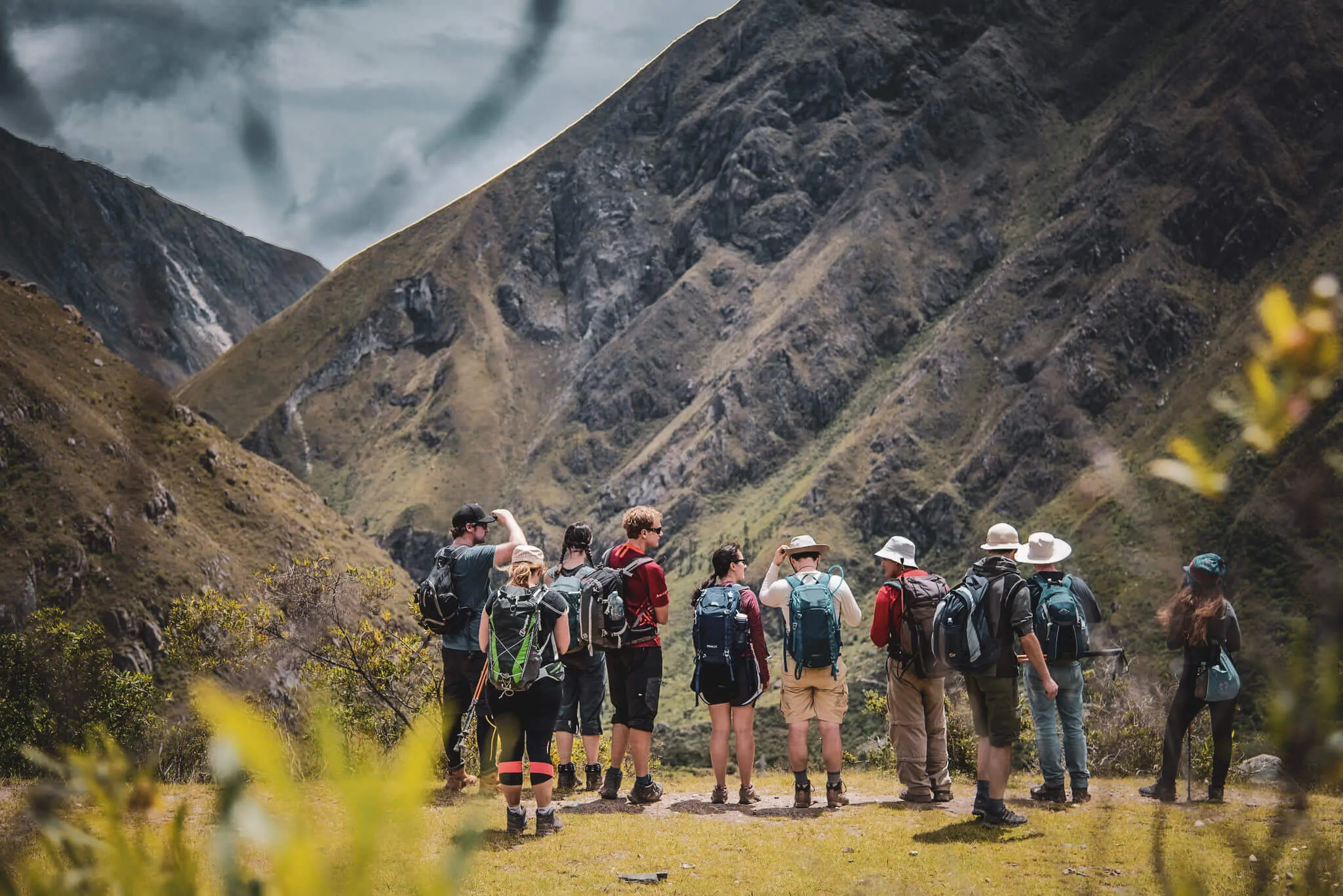
July rewards early planners with some of the year's strongest dry-weather odds. In return, expect cold camps, powerful sun, less date flexibility and a busier Machu Picchu travel system.
Better weather odds
less booking freedom
The July trade
SERNANP places the rainy season from November through March. July is well outside that window, but dry season still includes mountain variability. The strongest reasons to hesitate are cold nights, high demand and the wider late-July travel chain.
July at a glance
Seasonal patterns guide the decision. Current weather, official inventory and the actual campsite sequence govern the trip.
The dry-season contradiction
SENAMHI evidence supports both sides: frost is most frequent in the southern highlands in July–August, while July 2026 also produced very high to extremely high UV alerts.
Pack warm layers for waiting, breakfast and the first shaded kilometers. The day's sunshine does not help before it reaches the valley or camp.
Climbing can make insulation feel excessive. Use layers you can remove without exposing the dry core of your pack.
Cool air can disguise solar exposure. SENAMHI recorded very high to extremely high UV risk in the southern highlands during July 2026.
Change into dry camp layers before you become chilled, and verify the sleeping system supplied for the actual campsite sequence.
Those official observations describe regional risk and dated events—not a temperature or UV forecast for a future campsite. Check SENAMHI notices close to travel.
What July looks like
A drier high-Andean section and a greener cloud-forest descent can both be accurate descriptions of the same trek.
Reduced seasonal rain can leave exposed grasslands drier and more muted than the green imagery many travelers expect.
Clear periods can sharpen mountain relief, while wind and passing cloud can change comfort rapidly.
Descending toward Wiñay Wayna moves into a more humid ecosystem where vegetation and damp stone can remain part of July.
July improves the seasonal odds of a broad view; no month guarantees a cloud-free first sight of Machu Picchu.
Crowds need three labels
Calling all three “Inca Trail crowds” hides the part of the trip that actually needs action.
A full departure means route-and-date inventory has been allocated. Groups still spread out and regroup at checkpoints, sites and camps.
For 2026, Culture placed all of July inside the site's maximum-capacity period. Train arrivals and multiple circuits join trail visitors.
Flights, trains, accommodation and transfers have their own inventory. A trail space does not secure the rest of the itinerary.
Availability before optimization
Confirm that the year's inventory has been released, then check the applicable route and departure date. “Book six months ahead” cannot tell you whether one Tuesday is open and the next is full.
A checker result is a planning signal—not a reservation, operator contract or access guarantee.
Understand permit availabilityPlease wait while we check the selected date.
Dates in the same month currently showing permits
Availability data may be delayed. It does not guarantee a permit, tour departure or confirmed booking.
Dry does not mean easy
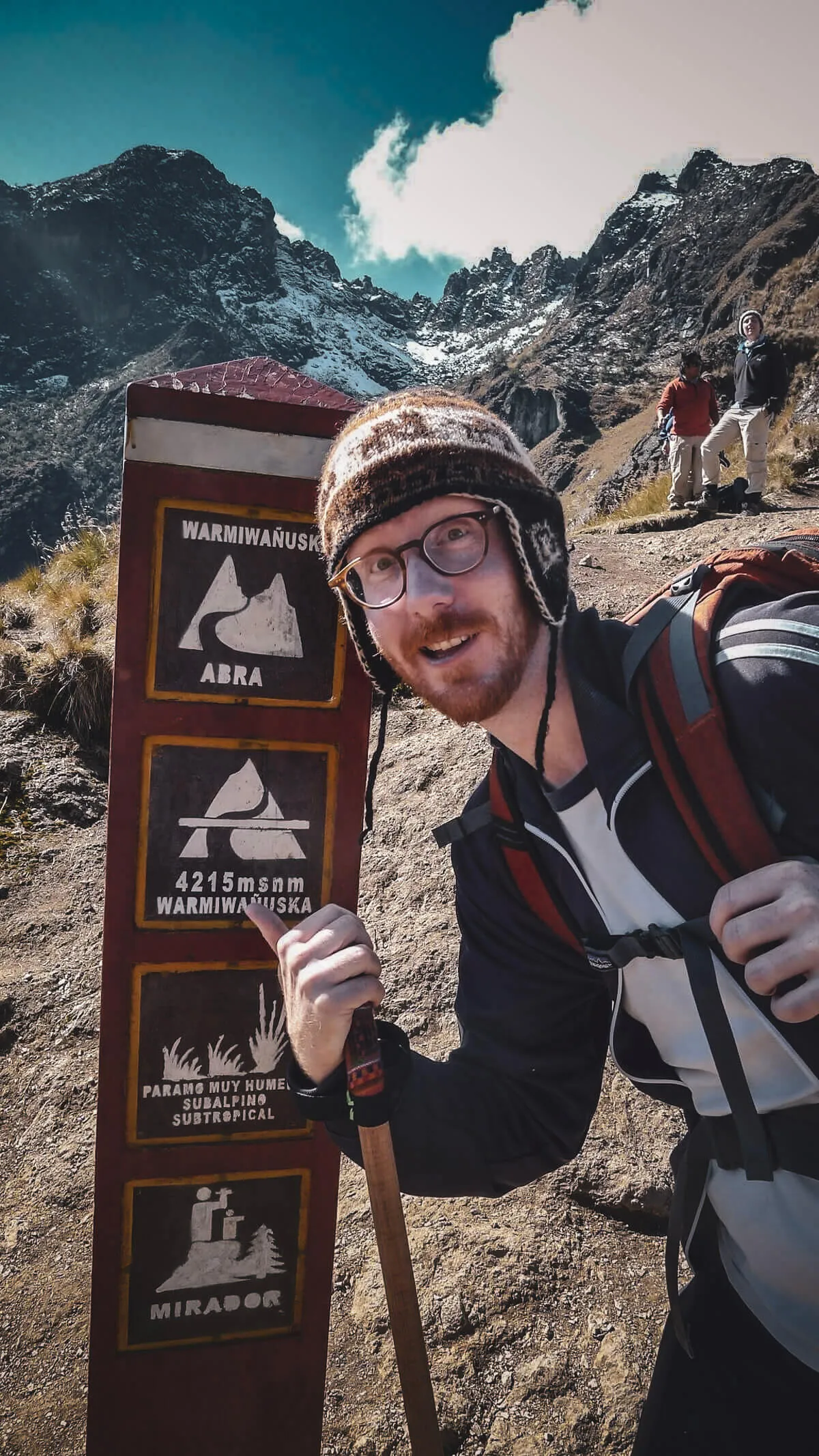
Drier stone can improve footing, but July does not remove the sustained climb, elevation or exposed stop at the Classic Trail's highest pass. Sunshine lower on the route does not predict comfort at the top.
Plan for Dead Woman's PassIf July is sold out
Do not buy an ambiguous “Inca Trail” product because the official route is unavailable. Verify the route name and trailhead.
Check nearby July dates before changing the entire trip.
Route 5/Km 104 has separate regulated inventory; it is not an unrestricted fallback.
Compare late June or early August when the weather distinction is smaller than the availability difference.
Use Salkantay or Lares only after understanding that each is a different route and experience.
Late July logistics
July 28 and 29 are national holidays in Peru. They do not automatically close the Inca Trail, but domestic travel, service schedules and local celebrations can add pressure around the final week.
Confirm every component independently rather than assuming holiday-normal or holiday-closed operations.
Build the trip in the right orderIndependence celebrations
Fiestas Patrias continues
Does July fit you?
Classic or Short in July?
Both routes use regulated inventory. Route 5 removes multi-night camping, not steep ascent, sun exposure or Machu Picchu logistics.
Choose it when the full progression through passes, camps and ecosystems justifies July's cold-night preparation.
Choose it when Intipunku and Wiñay Wayna matter more than high passes or trail camping.
July packing changes
This is the July adjustment, not a duplicate packing list. Confirm porter-load rules and operator-supplied sleeping equipment.
Size warmth for inactive time after sunset—not only for walking temperature.
Small items make pre-dawn starts, high passes and camp routines easier.
Use sunglasses, a brim, sunscreen, lip protection and coverage on exposed trail.
Dry season lowers rain probability; it never makes a shell unnecessary.
Keep one warm base system isolated from dust, sweat and unexpected moisture.
Drier stone helps footing, but long stairs and descents still require stability.
Operator questions for July
Inca Trail Company is an independent information and availability platform, not a tour operator. SERNANP requires authorized operators for the protected network.
Compare operatorsAround July
June shares cold nights and strong demand, with Inti Raymi affecting the wider Cusco calendar.
June guide →Next · AugustEarly August may resemble late July more than either resembles a wet-season month.
August guide →Full calendarChoose between weather probability, permit pressure, scenery and fixed dates.
Best-time guide →July questions
July improves weather odds. It does not guarantee warmth, solitude, visibility or availability.
Yes—especially when lower seasonal rainfall and better visibility odds matter more than solitude or flexibility. July's main compromises are cold nights, intense sun and peak-period demand.
SERNANP identifies November through March as the sanctuary's rainy season, so July sits outside it. That supports a drier seasonal pattern, not a guarantee that every trail day will be rain-free.
There is no single campsite temperature for the route. SENAMHI climatology identifies July and August as the months when frost is most frequent across the southern highlands. Elevation, exposure, wind and camp location determine the actual experience.
It can. July usually offers a lower rain probability, but mountain and cloud-forest weather remains variable. Carry a shell and keep sleep layers protected.
July is a high-demand period and access is regulated. Check the exact route and date rather than relying on a universal six- or eight-month booking rule.
No. It means the regulated allocation is taken. Groups disperse while walking and concentrate again at checkpoints, archaeological sites, narrow sections and camps.
Machu Picchu has a separate visitor system that also receives train-based arrivals across several circuits. In 2026, the Ministry of Culture formally placed July within its maximum-capacity period.
The national holidays on July 28 and 29 do not automatically close the trail. They are a wider logistics signal: verify hotels, transport, operating notices and services rather than assuming normal or closed operations.
Choose the Classic route for the complete high-pass and camping journey. Choose Route 5/Km 104 to reduce nights and total exposure. Both require date-specific regulated access.
Drier footing can reduce one source of difficulty, but it does not remove altitude, sustained ascent, long descents or consecutive hiking days.
Official sources establish the rainy-season window, operator requirement, regional frost and UV risks, 2026 high-capacity period, advance reservations and national holidays.
Regional meteorology is translated into conservative packing advice, never a campsite-specific forecast. Dated 2026 rules must be rechecked for another travel year.
Reviewed August 10, 2026 · Corrections: contact our editorial team
July fits the priority?
July's weather probability is valuable only when the route, operator and surrounding logistics are actually available.