
Camp systems
Wastewater treatment, reservoirs, water collection, toilets and drainage at strategic camps received work during the 2026 closure.
Annual conservation closure
You cannot hike the regulated Inca Trail network in February. Classic and Short routes close; Machu Picchu is managed separately and may still fit a different itinerary.

Not sold out · not operator-dependent
SERNANP’s 2026 notice suspended tourist access through February 28 across routes 1, 2, 3, 5 and 6. No authorized operator can turn that official closure into a Classic or Short Trail departure.
Choose the right alternativeWhat exactly closes?
The words “Inca Trail” and “Machu Picchu” are often bundled together in tour names. Their access systems are not identical.
Routes 1 and 2 / principal multi-day access
Routes 3 and 6 inside the regulated network
Route 5 / Km 104 at Chachabamba
Own tickets, circuits and operating notices
Why February?
The closure is a planned conservation measure during rainy season—not a marketing “low season” and not simply bad weather.
Wastewater treatment, reservoirs, water collection, toilets and drainage at strategic camps received work during the 2026 closure.
Specialist teams maintained and consolidated cultural fabric along the protected corridor.
Routes 1, 2, 3 and 5 received rehabilitation, including retaining walls, bridges and rain-affected access points.
SERNANP describes the pause as time for natural recovery, infrastructure maintenance and biological monitoring.
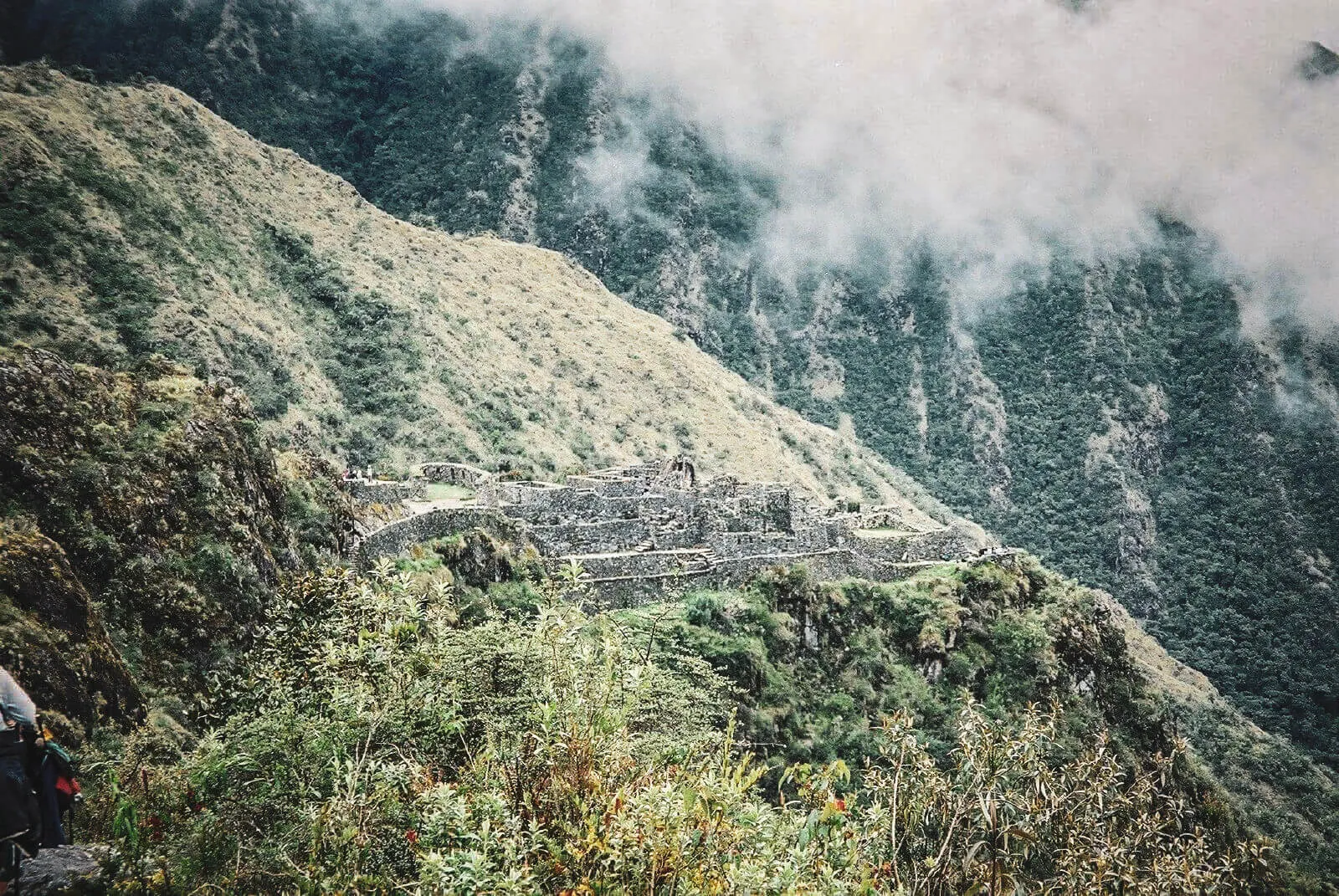
More than a footpath
Stone paving, walls, terraces, bridges, drainage, camps and living ecosystems all require attention. Removing daily visitor and support traffic gives specialist teams a defined work period.
In 2026, official reporting described work at Ayapata, Llulluchapampa, Tarayoc and Warmi Wañusqa, alongside structures and access across several routes.
Understand the historic roadThe essential distinction
No Classic or Short route visitor departure.
Confirm its ticket, circuit, transport and current operating notices.
A train-based Machu Picchu visit is a different journey. It preserves the destination, not the experience of walking the protected Inca Trail.
February remains rainy season
SERNANP identifies November through March as rainy season. Alternative treks may sit outside the scheduled closure, but rain can still affect slopes, rivers, roads, visibility and transport.
“Open” describes access. It does not certify ideal trail conditions.
Read the safety framework
Misleading February offers
If a page sells an “Inca Trail” in February, verify the geographic route before paying. It may be a legitimate alternative trek described loosely—but it is not a visitor departure on the officially closed network.
When does it reopen?
Always use the notice for the actual year. Adjacent years show why.
The initial closure was extended after landslides and unstable sections. The network reopened on April 1 with temporary route conditions.
SERNANP and the Ministry of Culture confirmed completion of maintenance and the official return of visitor operations.
Do not apply the 2026 result automatically to another year or an early-March departure.
Move to an open date
The widget is for dates outside February. First confirm official reopening and inventory; then align hotels, transport and an authorized operator.
A result is a planning signal, not a confirmed reservation.
Understand permit availabilityPlease wait while we check the selected date.
Dates in the same month currently showing permits
Availability data may be delayed. It does not guarantee a permit, tour departure or confirmed booking.
Change the month
The network normally operates, with rainy-season trail and visibility trade-offs.
January guide →Next · MarchMarch can restore access, but actual reopening and early-season conditions need verification.
March guide →Full calendarChoose a balance between weather probability, permit pressure and fixed travel dates.
Best-time guide →February questions
The useful decision is what to preserve: date, destination, trek or route.
No. SERNANP closed access to routes 1, 2, 3, 5 and 6 throughout February 2026 for annual conservation and maintenance. Travelers need an open date outside February for the regulated network.
The visitor pause allows natural recovery, maintenance of visitor infrastructure, biological monitoring and conservation work on camps, drainage, structures and road sections.
Yes. The principal multi-day routes are within the regulated network. Changing tour operator does not change the official closure.
Yes. The Km 104/Chachabamba itinerary is Route 5 of the same regulated network and was explicitly included in the 2026 closure.
The annual notice concerns the Inca Trail network, not an automatic closure of the Machu Picchu archaeological site. Machu Picchu has separate tickets and operating notices, which still need current verification.
Do not expect legitimate Classic or Short Inca Trail access while the network is officially closed. An advertised February product may be a different trek with a confusing name.
March 1 is the normal post-maintenance target and was the official reopening date in 2026. Exceptional conditions can delay it: rain damage pushed the 2025 reopening to April 1.
They are separate itineraries and are not automatically included in the annual Inca Trail closure. That does not guarantee suitable February conditions; verify weather, access and the exact route before committing.
Not necessarily. Keep February if Machu Picchu, Cusco and cultural travel are the priorities. Move the trekking date if walking the regulated Inca Trail itself is essential.
Closure and reopening claims use dated official notices. The 2025 exception is included to prevent a normal March 1 target from being treated as an unconditional rule for future years.
Alternative-route suitability remains conditional on the exact itinerary and current local conditions.
Reviewed August 9, 2026 · Corrections: contact our editorial team
Choose what cannot move
Visit Machu Picchu another way if the date is fixed. Move the date if the protected trail is the experience you came for.