01August 24, 2026
Marathon + half marathon
Erik’s Adventures
- Published corridor
- Salkantay–Humantay highlands
- Published finish
- Lucmabamba
- Travel format
- 8-day hosted trip · August 20–28
- Price boundary
- Published package: US$3,975 per person
One name · different mountain races
Current events use different courses, dates and finish lines. Compare the actual route before you train, register or assume you will run the 4-Day Classic Inca Trail.
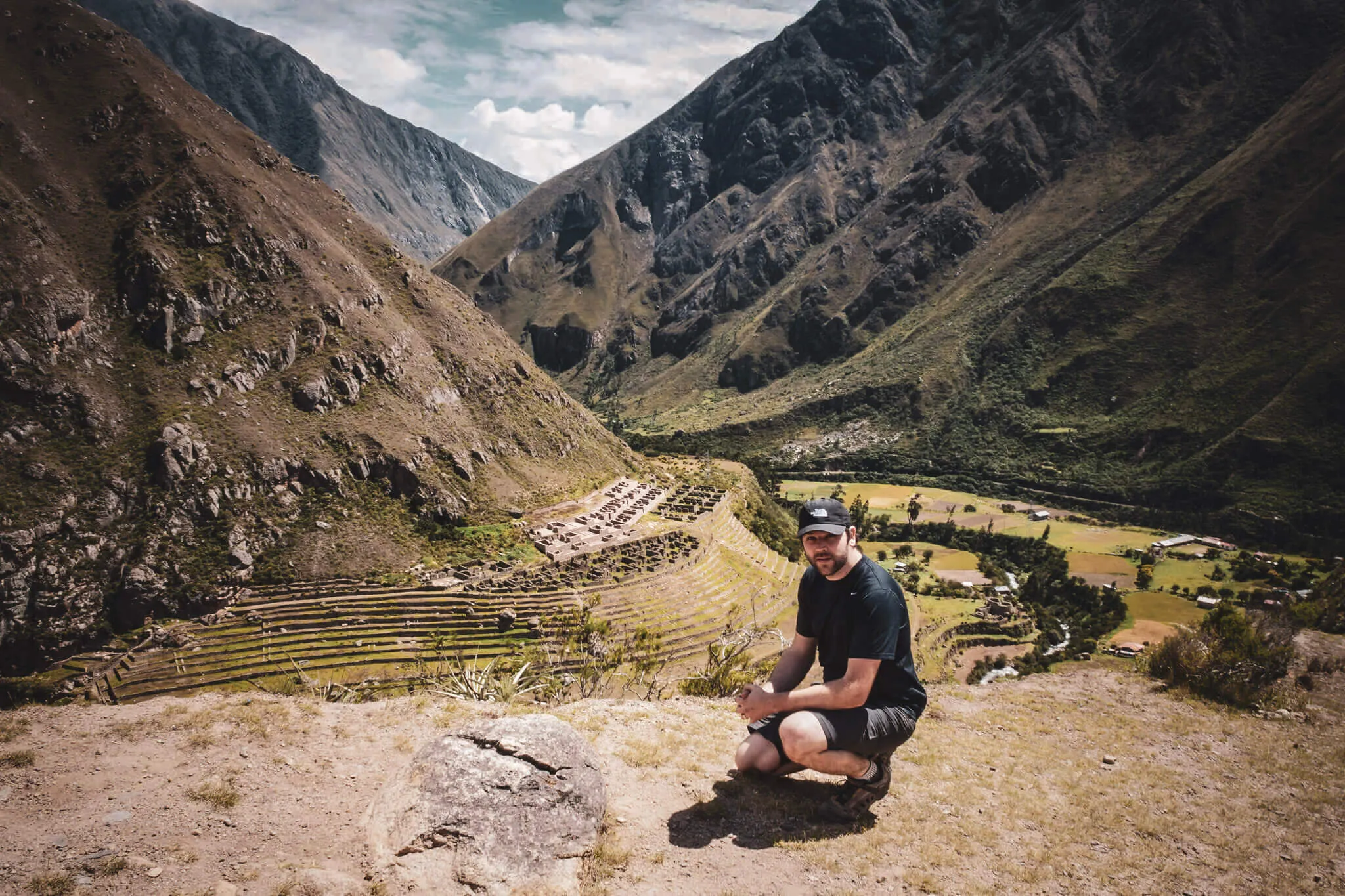
The name is not the route.
Erik’s Adventures says its event followed the Classic corridor from 2012 through 2022 and moved to the Salkantay–Humantay area in 2023. Wildmarathon publishes another course through the Salkantay and Llactapata landscape.
Use the organizer, year, map and finish—not “Inca Trail Marathon” alone—to identify what you are buying.
Compare the published eventsCurrent status · dated
Dates and inclusions can change. Confirm live registration and terms with the named organizer before paying.
Marathon + half marathon
42K + 21K + 10K
Editorial cutoff: August 9, 2026. “Published” does not mean spaces remain or terms cannot change.
Route identity test
The regulated 4-Day Classic Inca Trail is a specific archaeological road corridor with controlled trekking access. A mountain race may take place in the wider Cusco landscape and still use “Inca Trail” in its event name.
See the actual four-day trek
Why search results conflict
Erik’s Adventures describes its historical race as using the Classic Inca Trail corridor.
The organizer reports moving the event to a new course in the Salkantay–Humantay region.
The current Erik’s event remains on that alternative high-mountain course.
Wildmarathon publishes a separate Salkantay–Llactapata event and Machu Picchu travel program.
Before the deposit
A compelling historic video cannot replace a technical race document, dated terms and a named emergency plan.
Ask for the current GPX or official map—not a historic article, photo or race name.
Confirm total ascent, total descent, highest point and the distance spent above 4,000 m.
Check start waves, cutoffs, checkpoints, aid stations and what happens after a missed cutoff.
Use the organizer’s current kit list. Mountain weather can make an ordinary road-race setup inadequate.
Ask who provides medical oversight, how remote extraction works and which costs remain yours.
Separate race entry, hotels, meals, transfers, Machu Picchu admission, flights and insurance.
More than 42.195 km
Erik’s current page says its course crosses two high passes and exceeds 15,200 ft. At that elevation, pace, recovery and judgment differ from sea level—even for a strong road runner.
For any event, compare vertical gain and loss, surface, altitude, weather exposure, cutoffs and aid spacing. If the organizer does not publish them, request the current technical document.
Understand mountain effortTrain for the published course
This is a planning framework, not a personalized medical or coaching prescription.
Build consistent running volume before adding altitude, speed or extreme vertical days.
Train long sustained ascents through hills, treadmill incline or repeated stair sessions.
Progressively condition quads and control. The descent can be more damaging than the climb.
Practice uneven trail, loose surfaces and poles if the organizer permits them.
Rehearse the exact foods, fluids and carrying system you expect to use on race day.
Arrive with time to acclimatize; fitness does not prevent altitude illness.
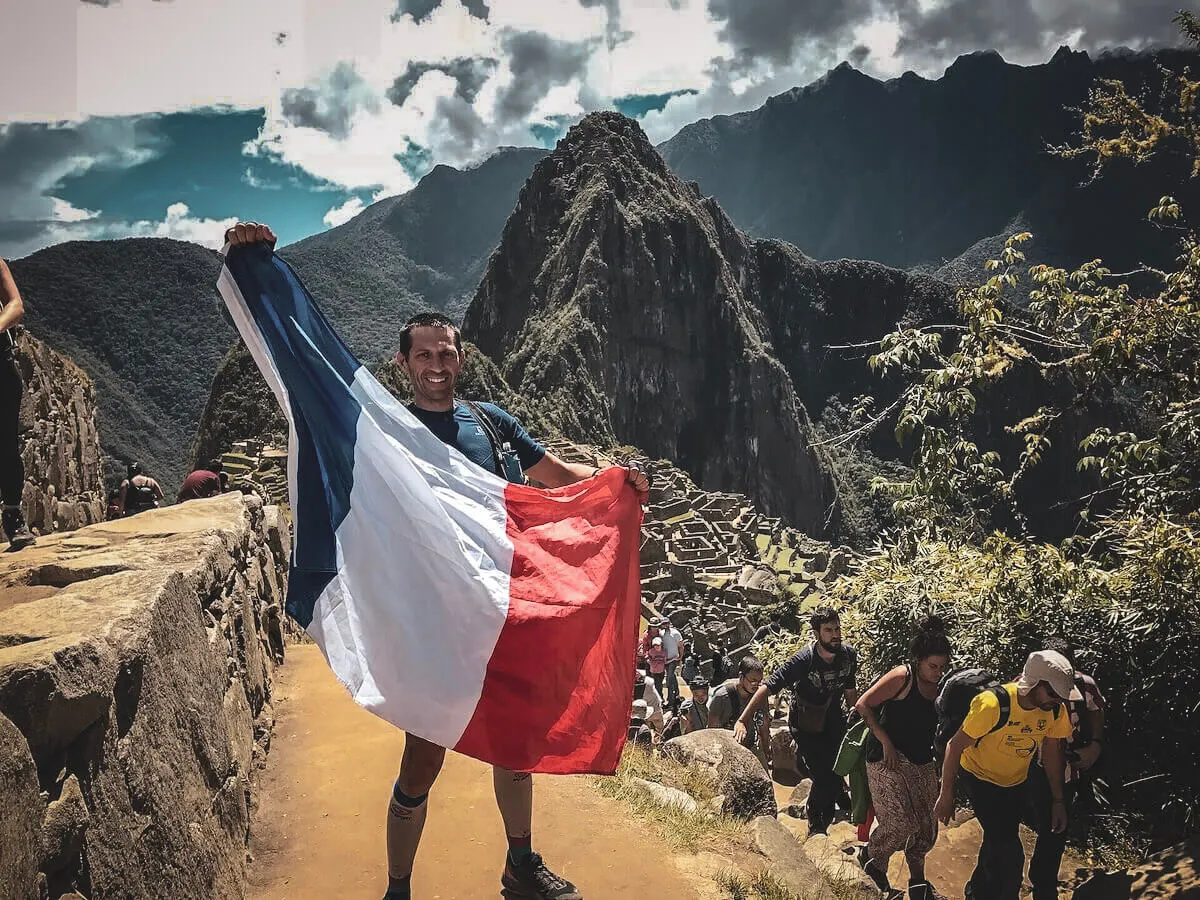
Finish line ≠ citadel entry
A finish at Lucmabamba or Machupicchu Pueblo is not entry to the archaeological site. Ask for the admission date, visitor arrangement, guide, bus or train logistics and exactly what happens if the race schedule changes.
Wildmarathon’s published program, for example, places its Machu Picchu visit on May 25, the day after its May 24 race.
Understand the final access chainThe terms are part of the route
Remote mountain events can be changed, shortened or cancelled because of weather, access, safety or government decisions. Erik’s 2026 terms explicitly preserve rerouting and cancellation discretion and describe a remote, harsh environment where help may be delayed.
Check whether your insurance covers the activity, elevation, evacuation method, trip interruption and nonrefundable payments. “Travel insurance recommended” is not the same as verified coverage.
Planning a separate trek?
This checker is only for travelers adding a regulated trek on other dates. It does not show marathon registration, authorize race access or confirm a Machu Picchu ticket.
Understand trekking permitsPlease wait while we check the selected date.
Dates in the same month currently showing permits
Availability data may be delayed. It does not guarantee a permit, tour departure or confirmed booking.
Independent editorial note
Inca Trail Company does not organize either race, and no organizer paid for inclusion on this page. Verify and book directly with the event owner.
Our business may earn commissions from some travel referrals elsewhere and sells APIs and tools to tourism companies. Those relationships do not change the route distinctions or inclusion criteria used here.
Direct answers
Every event claim needs an organizer and year attached.
Not as a general rule. The current Erik’s Adventures event says it moved away from the Classic corridor in 2023, while Wildmarathon publishes a Salkantay–Llactapata route. Always verify the exact course for the event year.
As reviewed on August 9, 2026, Erik’s Adventures publishes a race on August 24, 2026. Wildmarathon publishes its next Peru event for May 24, 2027. A published date does not prove that registration remains open.
It depends on the organizer. Erik’s current course finishes at Lucmabamba. Wildmarathon describes a finish in Machupicchu Pueblo and a separate Machu Picchu visit the following day.
A current alternative-corridor race is not the same product as a regulated 4-Day Classic Inca Trail trek. The organizer must secure every authorization its event requires; a race booking does not automatically include a separate Classic trek permit.
There is no single answer because the events use different courses. Erik’s current page says its route exceeds 15,200 ft. Ask every organizer for a current elevation profile and GPX before registering.
Road fitness helps, but it does not prove readiness for prolonged climbing, technical surfaces, high altitude or long descents. Train those demands specifically and seek medical advice when your health history warrants it.
Do not infer admission from the event name or finish area. Confirm the ticket date, circuit or visitor arrangement, guide, transport and whether the visit occurs on a separate day.
The events are commonly sold as hosted travel packages. Ask the organizer whether race-only entry exists and compare the complete inclusions, cancellation rules and transfer policy.
Start when the organizer publishes the dated event, current course and terms. Flights, training and acclimatization make this a long-lead trip, but never pay from an undated third-party page.
No. This page compares public organizer information for travelers. No organizer paid for inclusion, and registration should be verified directly with the organizer.
Organizer pages establish event dates, routes, distances and packages. They remain commercial claims and can change. Protected-trail information is kept separate from race marketing.
Reviewed August 9, 2026 · Event organizers may change dates, routes and availability. Corrections: contact our editorial team
The responsible first question
Confirm the year, organizer, map, elevation and finish before comparing your fitness with someone else’s historic result.