
No universal cutoff found
The current SERNANP visitor information and regulations reviewed do not publish one minimum or maximum visitor age. Official fee material includes a category for minors.
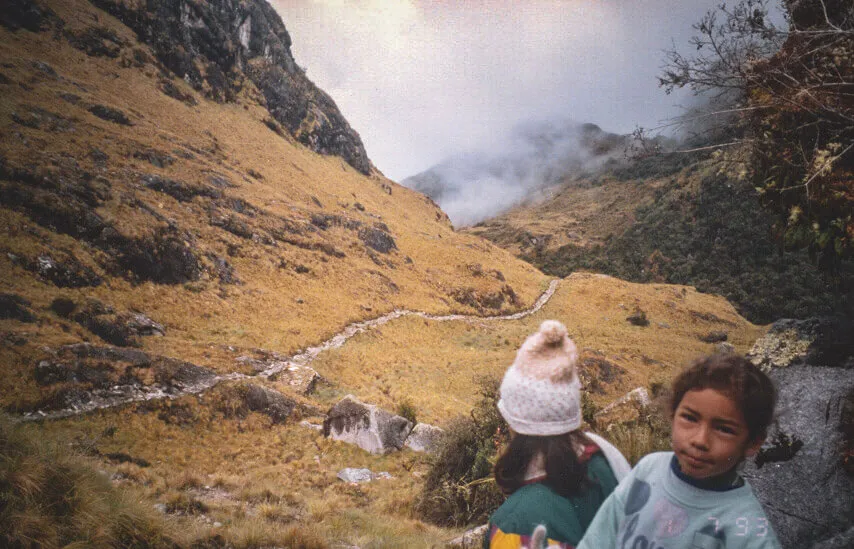
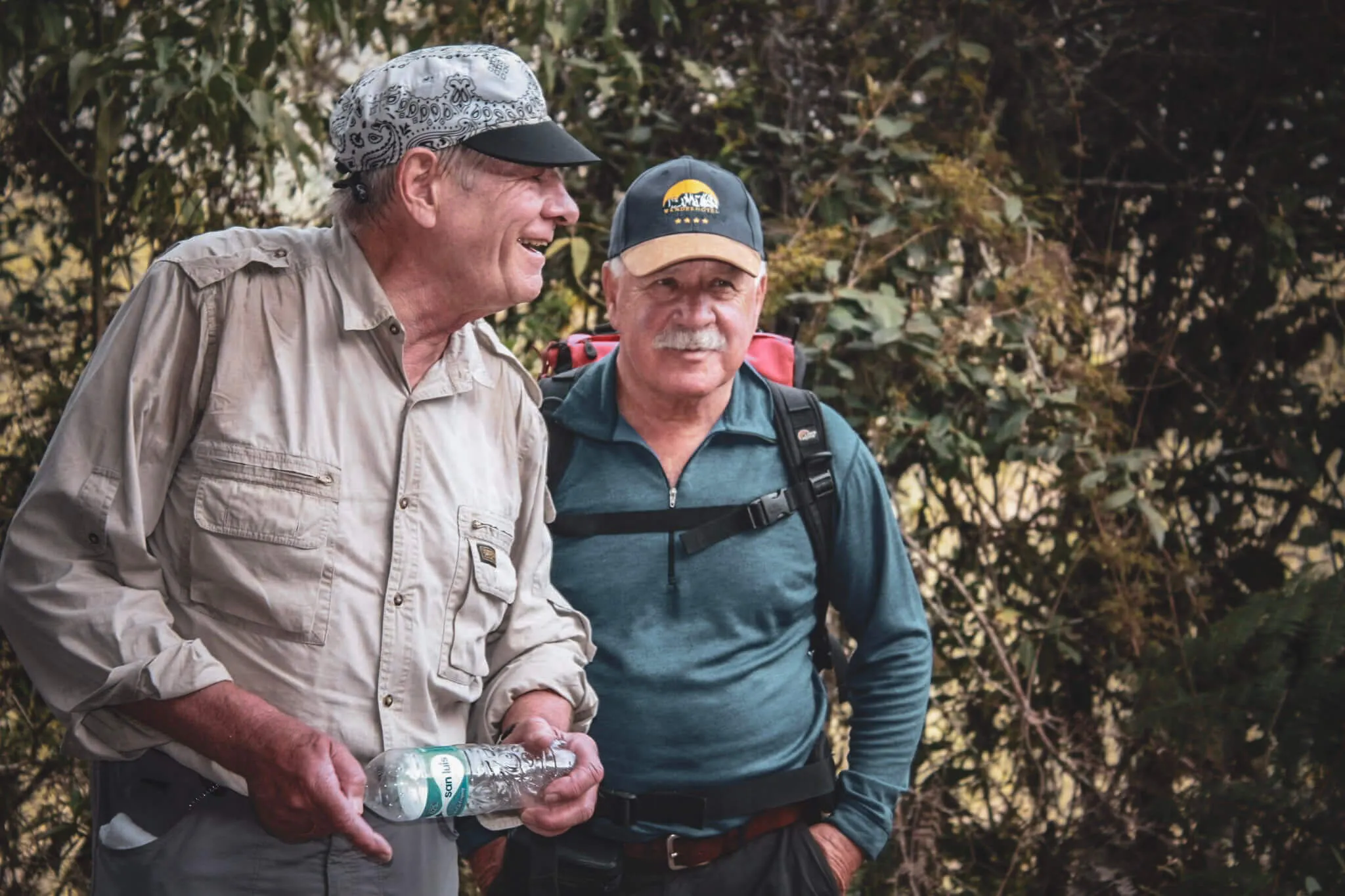
Eligibility is not a birthday calculation
No universal minimum or maximum appears in the official sources we reviewed. An operator can set its own policy, and each traveler still needs a route-specific readiness assessment.
Age answers only one question: how many years someone has lived.
Endurance, balance, mobility, previous hiking, recovery, health, communication and motivation are more useful. A trained older hiker can be better prepared than a younger sedentary adult; two children of the same age can have completely different outdoor experience.
Do not turn “no universal official cutoff” into “safe for everyone.” It means the remaining decisions require more care, not less.
Use the readiness checklistThree different decisions
Online age numbers become confusing when these layers are presented as though they were one rule.
The current SERNANP visitor information and regulations reviewed do not publish one minimum or maximum visitor age. Official fee material includes a category for minors.
An operator can set a minimum age, request health information or decline a booking based on its safety and operating policy.
Endurance, mobility, balance, experience, health, recovery, communication and motivation determine whether the selected route is realistic.
Choose by demand, not age label
The Short Trail is shorter, the five-day format can be slower, and the train removes the trekking approach. None is automatically correct for every child or older traveler.
| Option | Format | Distance context | Main demand | Consider for |
|---|---|---|---|---|
| 4-Day Classic Inca Trail | 4 days / 3 camping nights | 33.7 km official corridor | High pass, repeated stairs, long descent and consecutive recovery | Travelers with tested multi-day hiking readiness |
| 5-Day Classic Inca Trail | 5-day commercial format | Same broad protected corridor | More time can improve pace; extra night does not remove altitude or terrain | Travelers who benefit from a less compressed schedule |
| Short Inca Trail | One principal hiking day | 10.5 km official route | Sustained ascent and stone stairs without multi-day camping | Travelers ready for one demanding day but not repeated trail days |
| Train-based visit | Scheduled transport + site visit | No trekking approach | Lowest approach demand; Machu Picchu routes still involve uneven ground and steps | Travelers whose goal is Machu Picchu rather than the trek |
A better screening tool
These are planning prompts, not a medical clearance test. Use them to identify what must be tested or discussed before booking.
Can complete a several-hour hilly walk at a controlled pace.
For the Classic route, can remain active the day after a demanding hike.
Can handle sustained stairs and control long downhill movement.
Moves confidently over irregular stone and changing step heights.
Has a realistic acclimatization schedule and understands symptom escalation.
Relevant conditions, medications and limitations have been discussed with an appropriate clinician.
Can tell the guide promptly about fatigue, pain, illness, cold or distress.
Personally wants the route instead of being pressured by family or bucket-list expectations.
For the Classic route, accepts tents, basic bathrooms, early starts and variable sleep.
A child needs more than enough energy. They must understand the trip, follow safety instructions and communicate problems early.
A number such as 60, 65 or 70 cannot describe current endurance, joint tolerance, health or recovery.
Fitness and altitude are separate
CDC's 2026 Yellow Book says training and physical fitness do not affect susceptibility to altitude illness. Risk is shaped by individual susceptibility, the altitude reached, sleeping elevation and rate of ascent.
Travelers with relevant underlying conditions—including certain cardiovascular, pulmonary, oxygenation or sleep-related conditions—should discuss high-altitude travel with a clinician familiar with their history.
This website cannot clear a child or adult medically for the trek.
Read the altitude guideBefore paying a deposit
A clear company should distinguish government access rules from its own operating conditions and explain how the actual itinerary supports the traveler.
Compare operator standardsReadiness and availability are separate
Check Classic and Short Trail availability after deciding which demand is realistic. Visible inventory is a planning signal, not medical approval or a confirmed provider booking.
Read the complete permit guidePlease wait while we check the selected date.
Dates in the same month currently showing permits
Availability data may be delayed. It does not guarantee a permit, tour departure or confirmed booking.
Quick answers
Operator acceptance is not the same as official eligibility, and neither replaces individual readiness.
We found no universal minimum or maximum visitor age in the current official SERNANP information and regulations reviewed. Individual operators can still impose their own booking policies.
There is no single official minimum published for every traveler. A child's readiness, communication, hiking experience, camping tolerance and the operator's policy matter more than a universal number.
Some can, but the decision must be individual. Four days, camping, high altitude, stairs and repeated effort make previous hiking experience and reliable symptom communication essential.
It removes repeated hiking days and camping, which can make it a better fit for some families. It remains a substantial 10.5 km mountain route with ascent and stone stairs.
We found no universal official maximum. Functional capacity, health, recovery and operator policy are more relevant than chronological age alone.
Potentially. A currently active, experienced older hiker can be better prepared than a much younger sedentary traveler. That does not replace individualized medical and operational screening.
No. CDC states that training and physical fitness do not determine susceptibility. Children are as susceptible as adults, and ascent profile and acclimatization remain important.
Travelers with relevant underlying conditions or concerns about strenuous high-altitude activity should consult a clinician familiar with altitude medicine and their individual history before committing.
It can create a less compressed pace, but it does not remove the protected corridor's altitude, stone terrain or camping. Verify the actual daily schedule instead of assuming the title guarantees easier days.
Choose the Classic route for tested multi-day readiness, the Short Trail for one demanding hiking day, or the train when visiting Machu Picchu matters more than trekking.
We reviewed SERNANP's current visitor page, its fee categories and the applicable tourist-use framework. None of the material reviewed publishes one universal minimum or maximum visitor age. That conclusion must be rechecked when rules change.
Medical context uses CDC's 2026 Yellow Book. It supports general planning and escalation to qualified care, not personalized clearance.
Do not book by birthday
Then confirm the operator's written policy, obtain appropriate medical advice and check whether that route exists on the required date.